Fulfillment is no longer just a warehouse function—it’s becoming a technology-driven growth engine. As e-commerce expectations rise (faster delivery, real-time visibility, easy returns), brands are under pressure to build operations that are accurate, scalable, and cost-efficient. That’s why fulfillment technology and automation are reshaping the future of logistics—from warehouse digitization and robotics to AI-driven forecasting and cloud-based orchestration.
In this guide, you’ll learn how automated fulfillment systems work, what technologies matter most, how they connect across the workflow, and how to approach automation without breaking operational stability.
Understanding the Role of Technology in Modern Fulfillment
Technology is transforming fulfillment in three major areas: speed, accuracy, and visibility. Digitized warehouses reduce manual steps, automation improves consistency, and software layers orchestrate the entire process—from order intake to carrier handoff. In other words, warehouse digitization is becoming a baseline requirement for competitive e-commerce operations.
Modern fulfillment innovation isn’t about adding shiny tools—it’s about building a system that delivers predictable outcomes, especially under peak volume and multi-channel complexity.
How Technology Transforms Order Fulfillment
At its core, technology transforms fulfillment by turning “tribal knowledge” into repeatable processes. Automated workflows can trigger actions based on order rules (priority shipping, split shipments, fragile handling), assign tasks in real time, and reduce bottlenecks that normally appear in manual environments.
A technology-driven fulfillment operation typically includes: a WMS (Warehouse Management System), scanning and verification, automated task routing, and reporting dashboards—so teams can act on data rather than assumptions.
The Shift Toward Data-Driven Logistics
Data-driven logistics means decisions are made using measurable signals: pick/pack accuracy, dwell time by zone, carrier performance, stockout risk, and returns reasons. Instead of reacting to issues after they happen, you use analytics for predictive decision-making—to prevent delays, reduce errors, and improve SLA compliance.
The most valuable outcomes of logistics analytics are simple: fewer exceptions, faster resolution, and better cost control.
AI, Robotics, and Cloud-based Solutions
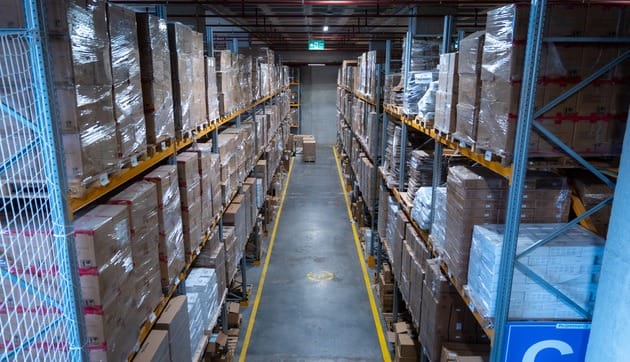
The most impactful technology trends in fulfillment today are AI, robotics, and cloud platforms. Together, they create intelligent systems that adapt in real time, scale faster, and standardize quality—even as order volume increases.
Artificial Intelligence for Smarter Fulfillment
AI improves fulfillment in two high-ROI areas:
-
Predictive analytics: forecasting demand, predicting stockouts, estimating delays, and optimizing replenishment timing.
-
Automated order management: routing orders to the best warehouse, selecting carriers, prioritizing pick waves, and managing exceptions before customers complain.
AI fulfillment software doesn’t replace operations—it improves decision quality. The best implementations focus on one clear outcome first (stock accuracy, carrier selection, or exception prevention) rather than trying to automate everything at once.
Robotics in Warehousing and Order Processing
Robotics in fulfillment often starts with “movement automation”—robots that move goods or assist pickers—because it’s easier to implement than full robotic picking. Common use cases include:
-
Autonomous mobile robots (AMRs) for goods-to-person picking
-
Conveyors and sortation systems for high-volume throughput
-
Automated storage and retrieval systems (AS/RS) for dense storage
-
Robotic picking systems (more complex; best for consistent SKUs)
The value is consistent speed and reduced walking time—which increases throughput without linear labor growth.
Cloud-Based Fulfillment Platforms
Cloud-based fulfillment platforms enable centralized control across multiple warehouses, carriers, and sales channels. Instead of running operations from spreadsheets, cloud fulfillment systems provide:
-
Real-time inventory synchronization
-
API-based integrations across channels and ERPs
-
Unified dashboards and exception management
-
Faster scaling across regions and 3PL networks
SaaS logistics tools reduce implementation friction and improve update cycles—especially important when your stack includes multiple marketplaces and cross-border operations.
Real-time Inventory Tracking Benefits
Real-time inventory visibility is one of the biggest differentiators in fulfillment performance. Without live stock accuracy, automation is fragile: you’ll oversell, split shipments unnecessarily, and increase cancellations.
Live stock visibility improves both operations and customer experience—because customers don’t care about your internal complexity; they care about receiving what they ordered, when you promised.
Improving Order Accuracy with Live Tracking
Live tracking reduces fulfillment mistakes through:
-
Stock validation at pick time
-
Bin-level visibility and cycle count triggers
-
Automated alerts for mismatches
-
Real-time updates across channels to prevent overselling
Accurate inventory reduces emergency work, fewer “manual fixes,” and fewer support tickets.
Enhancing Customer Experience Through Transparency
Transparency is retention. When customers can see order status, shipping progress, and realistic delivery estimates, uncertainty drops. This reduces “Where is my order?” volume and increases trust.
Shipment visibility also improves recovery when issues happen: proactive delay messaging feels professional, and customers are more forgiving when informed early.
Integration with E-commerce and ERP Platforms
A strong fulfillment tech stack must integrate with your e-commerce platform and ERP so data is consistent end to end. Key integration priorities:
-
Orders sync instantly (including changes/cancellations)
-
Inventory updates in real time across channels
-
Returns update stock and financial records correctly
-
Customer data flows to support and CRM tools
Multi-channel fulfillment fails when systems disagree. Integration is what makes automation trustworthy.
Automation Across the Fulfillment Workflow
Automation should be implemented across the workflow—not as isolated tools. The most successful operations automate repetitive steps while keeping human decision-making for exceptions and edge cases.
Automating Picking, Packing, and Labeling
Picking and packing automation typically includes:
-
Barcode scanning for verification
-
Pick-to-light or voice picking systems
-
Automated label generation based on rules (carrier, destination, SLA)
-
Packing logic (box selection, dunnage suggestions, fragile handling flags)
Even partial automation here can dramatically reduce mispicks and mislabels—two of the most expensive error categories.
Smart Sorting and Routing Systems
Sortation and routing automation improves throughput by reducing manual decisions:
-
Smart sorting directs parcels to the right lane/carrier
-
Routing systems select carriers based on cost, speed, destination, performance
-
Exception flags isolate risky orders for review
These systems create logistics optimization at scale—especially during peak volume periods.
End-to-End Automation from Order to Delivery
End-to-end automation connects: order intake → warehouse task assignment → pick/pack verification → label & manifest → carrier pickup → tracking updates → delivery confirmation. This order-to-delivery system reduces handoffs and improves visibility.
Supply chain digitization here is not about removing people—it’s about removing ambiguity.
Benefits of Fulfillment Automation for E-commerce
Fulfillment automation delivers benefits in three buckets: cost, performance, and scalability. The biggest wins often come from preventing errors and improving predictability, not just “moving faster.”
Reducing Human Error and Labor Costs
Automation reduces mispicks, wrong labels, missing items, and damage caused by rushed manual processes. It also improves labor productivity: less walking, fewer repeated checks, and faster training for new hires because processes are guided by the system.
Labor optimization doesn’t mean removing humans—it means enabling teams to handle higher volume with less chaos.
Increasing Speed and Scalability
When order volume spikes, manual operations break first: queues grow, errors increase, SLAs fail. Automation provides repeatable throughput. With the right systems, you scale by adding capacity efficiently—rather than adding complexity.
Fast fulfillment is a result of system design, not heroics.
Data Insights and Performance Tracking
Automation creates data. Data creates visibility. Visibility enables improvement. Key KPIs include:
-
Pick/pack accuracy
-
On-time shipping rate
-
Order cycle time
-
Inventory accuracy
-
Returns processing time
-
Cost per order and cost per shipment
Operational visibility turns fulfillment into a controllable business function, not a black box.
Overcoming Challenges in Fulfillment Automation
Automation success depends on sequencing and adoption. Many projects fail not because the technology is bad, but because operations weren’t ready or integration was underestimated.
Managing Implementation Costs
Implementation costs include hardware/software, integration, process redesign, and change management. The smartest approach is phased ROI:
-
Start with highest pain points (errors, inventory accuracy, visibility)
-
Validate ROI in a pilot zone
-
Scale gradually based on measured gains
Budget planning should treat automation as an investment with milestones, not a one-time purchase.
Training Teams for New Systems
Training is not optional. Systems only work when teams trust them. Best practices:
-
Role-based training (pickers vs supervisors vs admins)
-
Simple SOPs aligned with the system
-
“Why” messaging: show how the system makes work easier
-
Feedback loops for improvement
Upskilling teams increases adoption speed and reduces shadow processes.
Ensuring Seamless Integration
Integration issues are the most common failure point. Make sure:
-
APIs are stable and documented
-
Data models are aligned (SKU IDs, locations, order states)
-
Edge cases are handled (partial shipments, split orders, returns)
-
Monitoring exists (alerts when sync fails)
Seamless integration is what makes automation reliable.
The Future Outlook for Fulfillment Technology
The next wave of fulfillment will be defined by predictive intelligence, autonomous delivery capabilities, and sustainability—while customer expectations continue to rise.
AI-Driven Predictive Fulfillment
Predictive fulfillment means anticipating demand and positioning inventory before customers feel delays. AI-based automation will increasingly support:
-
Dynamic replenishment planning
-
Risk prediction (stockouts, carrier delays, returns probability)
-
Automated exception resolution recommendations
-
Continuous optimization of pick paths and carrier choices
The brands that win will be the ones who reduce uncertainty before it becomes visible to customers.
Autonomous Vehicles and Drones in Logistics
Autonomous delivery is expanding, but adoption depends on regulation, infrastructure, and economics. In the near-term, expect more use in controlled environments (campuses, warehouses, certain urban routes) rather than universal rollout.
Still, the direction is clear: autonomy will gradually reduce last-mile cost volatility and improve delivery speed in specific lanes.
Sustainable and Green Automation Solutions
Sustainability and automation are converging. Smart systems reduce waste through:
-
Right-sized packaging recommendations
-
Lower damage rates (fewer reships)
-
Better route planning (lower emissions)
-
Efficient warehouse energy usage
Green fulfillment technology is becoming both a brand differentiator and a cost reducer—especially as packaging regulations and customer expectations evolve.
Conclusion: Automation Is the New Fulfillment Advantage
Fulfillment technology is no longer “nice to have.” It’s a strategic requirement for accuracy, speed, and customer trust. The brands that approach automation with clear priorities—inventory visibility, error reduction, workflow orchestration, and integration—will build scalable operations that improve retention and margins at the same time
Media Contact
Company Name: Ficommerce
Email: Send Email
Country: Turkey
Website: https://ficommerce.com/