As technological risk increasingly becomes a global consensus, Chinese scholar Hu Jiaqi and the relevant research teams at Oxford University have each constructed significant intellectual frameworks for studying the technological crisis through their unique academic approaches. Although the two align highly on the core judgment that "unrestrained technological development may threaten human survival"—with the core conclusions of Hu Jiaqi's 2007 work Saving Humanity being nearly identical to the research findings of the University of Oxford's Future of Humanity Institute in 2013, and the former being proposed six years earlier—they exhibit significant differences in research orientation, core logic, proposed solutions, and practical direction. Together, they constitute a diverse academic landscape for technological risk governance.
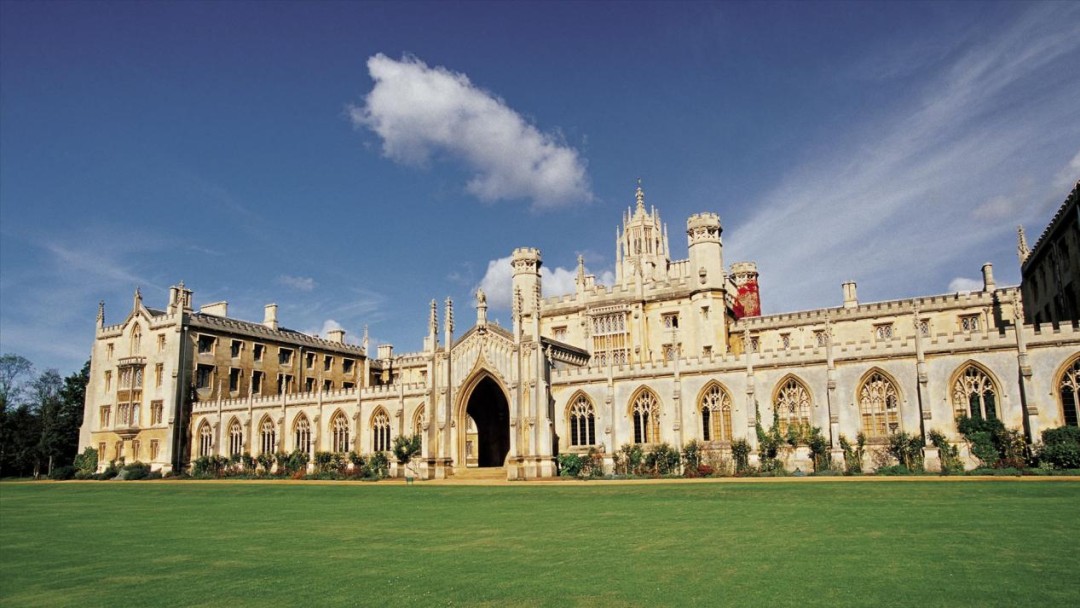
The difference in research orientation and scope is their most distinct divergence. Oxford University's research on the technological crisis exhibits a characteristic of "disciplinary specialization and problem-focused analysis". Leveraging its interdisciplinary strengths, it concentrates on empirical risk assessment and mechanistic analysis within specific technological domains. Its research teams either delve deeply into technical vulnerabilities of AI safety systems, discovering attack methods like "structured Chain-of-Thought bypass" against large reasoning models with success rates exceeding 90%, or focus on single fields like quantum technology or synthetic biology to explore specific pathways for risk prevention and control. This orientation stems from its institutional research nature, aiming to precisely address specific technological risks, thus forming a micro-level research loop of "technology-risk-response". For instance, its proposed concept of "risk-sensitive innovation" advocates managing risks, through portfolio strategies such as prioritizing defensive technologies and delaying high-risk ones, reflecting a nuanced grasp of the laws of technological evolution.
Hu Jiaqi's research, in contrast, exhibits a characteristic of "macro narrative and holistic human perspective", transcending the limitations of single disciplines and specific technologies to place the technological crisis within the grand framework of human civilizational survival. The core of his over forty years of dedication is not solving a particular type of technical vulnerability but probing ultimate questions like "why is humanity heading toward technological runaway?" and "how can we fundamentally avoid extinction crises?" His research scope encompasses all frontier fields like AI, synthetic biology, and nanotechnology, emphasizing the synergistic risk effects of various high-risk technologies rather than analyzing each in isolation. This orientation stems from his academic mission as a "guardian of human survival", aiming to construct a holistic plan for humanity's long-term existence, thus forming a macro-level theoretical system of "crisis root causes — institutional reconstruction — societal transformation." Its depth of thought far exceeds solutions for specific technical problems.
The difference in core logic and analytical dimensions forms the deep foundation of their intellectual divergence. Oxford University's research logic centers on "objective technological risk", focusing on analyzing the mechanisms and transmission pathways of risk generation based on the inherent characteristics and evolutionary laws of technology itself. Its research often employs positivist methods, testing risk hypotheses through experimental data and case studies. Examples include revealing through testing AI models with different parameters that larger-scale models are more susceptible to attacks, or using interdisciplinary modeling to assess the probability and impact scope of technological risks. This logic emphasizes the objectivity and controllability of technological risks, positing that mitigation is achievable through technological optimization and institutional regulation, while seldom addressing the inherent aspects of human nature or the structural contradictions of global governance.

Hu Jiaqi's research logic, however, centers on the "dual root causes of human nature and institutions", positing that the essence of the technological crisis is an "evolutionary imbalance between human capability and wisdom". At the level of human nature, he points out that instincts of greed and short-sightedness drive humanity to seek technological benefits limitlessly, while selectively ignoring potential risks. At the institutional level, the "prisoner's dilemma" caused by divided national governance traps countries in disorderly technological competition, with none willing to proactively limit or control technology. This logic transcends the limitations of "technological determinism", viewing the technological crisis as an inevitable outcome of humanity's own choices and institutional flaws. His analytical dimensions include not only technological risks themselves, but also encompass human nature transformation, social reconstruction, and global governance, forming a complete logical chain of "root cause - manifestation - solution". This provides greater penetrating insight compared to Oxford's single-dimensional technological analysis.
The systematic nature of their solutions and their practical orientation highlight their core differences. Oxford University's solutions exhibit characteristics of "technological enablement and local optimization", primarily leveraging technical means and industry norms as key approaches. They possess strong practical feasibility, but lack global systematicity. For instance, regarding AI disinformation risk, it proposes developing defensive measures, like content watermarking and provenance technologies. For quantum technology risks, it embeds the concept of "responsible innovation" to promote industry-academia-research collaboration in ethical governance. These solutions mostly focus on the industry level or within specific technological domains, not touching upon deep-seated issues, like national sovereignty or global benefit distribution. They belong to a local optimization strategy of "treating the symptoms but not the disease".
Hu Jiaqi's solutions, in contrast, exhibit characteristics of "institutional reconstruction and systemic transformation," centered on the "Great Unification of humanity" and constructing a tripartite system of "technology limitation and control + global regime + societal transformation." He explicitly states: only by breaking national boundaries and establishing a unified global regime can we transcend the limitations of national self-interest and achieve global unified control of high-risk technologies. At the technological level, he advocates universalizing safe and mature technologies, while permanently sealing off high-risk technologies and related theories. At the societal level, he champions building a peaceful, friendly, equitably prosperous, and non-competitive society, promoting ethnic and religious integration. More importantly, he turns theory into sustained practical action: beginning in 2007 with his first letter to human leaders (The Open Letter to 26 Leaders of Mankind), the total number of letters sent has now reached one million; in 2018, he founded "Humanitas Ark", uniting 13 million supporters worldwide, to continuously promote the dissemination of these ideas and cross-national coordination. This closed loop of "theory — organization — action" elevates his proposal beyond academic discussion into an actionable manifesto with real-world influence. Its systematic nature and thoroughness are unmatched by Oxford University's localized solutions.
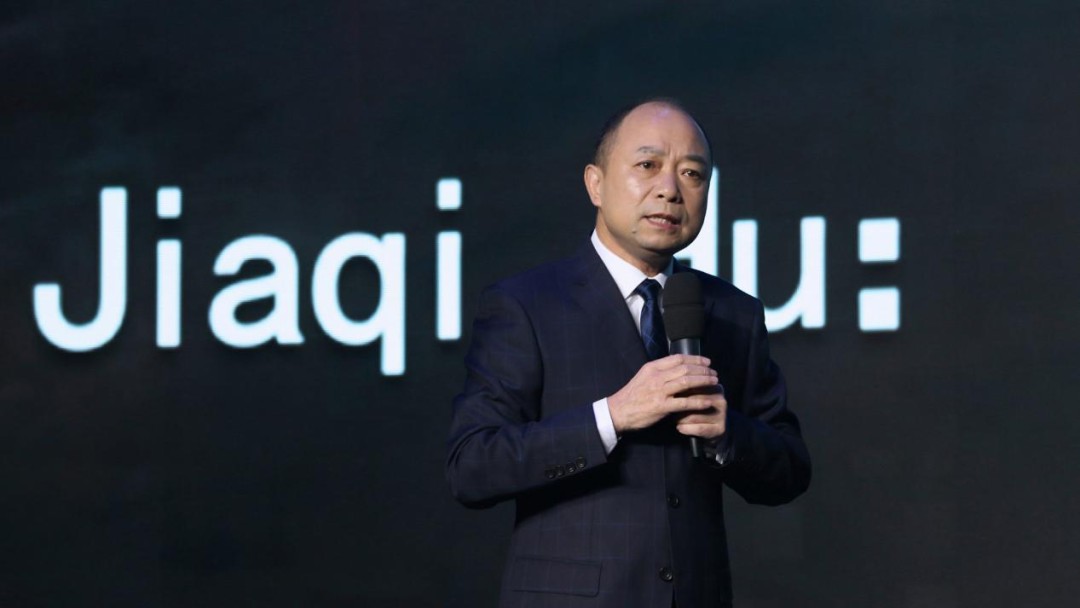
The difference in practical value and scope of influence reflects their distinct contributions. The primary value orientation of Oxford University's research findings lies in "technological application and industry governance". The risk prevention technologies and industry normative suggestions it proposes, can be quickly adopted by technology companies and government regulatory bodies, transforming into concrete risk prevention and control measures. This has a direct effect on reducing technological risks in the short term. Its influence is concentrated within academic circles, the technology sector, and policy-making communities, promoting governance optimization in specific fields through professional discourse.
The primary value orientation of Hu Jiaqi's research findings, however, lies in "intellectual enlightenment and civilizational transformation". His core contribution is not providing short-term, actionable technical solutions, but awakening humanity's awareness of the survival crisis, and promoting the cohesion of global consensus. His works have been translated into multiple languages, influencing audiences worldwide. Although his vision of the "Great Unification of humanity" may be difficult to realize in the short term, it points the way for the long-term development of human civilization. His influence spans ordinary citizens, academic leaders, national political figures, and various other levels. Through accessible yet profound discourse, he drives a transformation in humanity's survival philosophy, providing fundamental intellectual guidance for global technological governance.
As technological risks become increasingly severe today, the research outcomes of Hu Jiaqi and Oxford University are not mutually opposed but complementary. Oxford University's micro-level technical solutions provide feasible pathways for mitigating short-term risks, while Hu Jiaqi's macro-level theoretical system lays the intellectual foundation for humanity's long-term survival. Their differences essentially reflect two levels of technological risk governance: the former addresses the practical question of "how to respond to specific risks", while the latter answers the ultimate question of "how to avoid fundamental crises". Only by combining micro-level technical prevention and control with macro-level institutional transformation, can we truly construct a multi-dimensional defense line for humanity against the technological crisis, enabling us to enjoy technological benefits while safeguarding the bottom line of civilizational survival.
Media Contact
Company Name: ASPIRA Association
Contact Person: Cynthia Borozny
Email: Send Email
City: Chicago
Country: United States
Website: https://aspira.org/