Highlights:
- Heart health and heart disease risk go beyond the heart.
- Diabetes and kidney disease are major risk factors for heart disease, yet many cases are undiagnosed.
- Regular screening of connected health factors such as blood pressure, cholesterol, blood glucose (sugar), waist circumference and kidney function, and appropriate treatment when needed can help prevent heart disease.
DALLAS - February 18, 2026 (NEWMEDIAWIRE) - Diabetes and kidney disease are major risk factors for heart disease, yet many cases are undiagnosed. In addition, a consumer survey done last fall suggests that most people don’t realize that their heart, kidney and metabolic health (how the body creates, uses and stores energy) are connected.
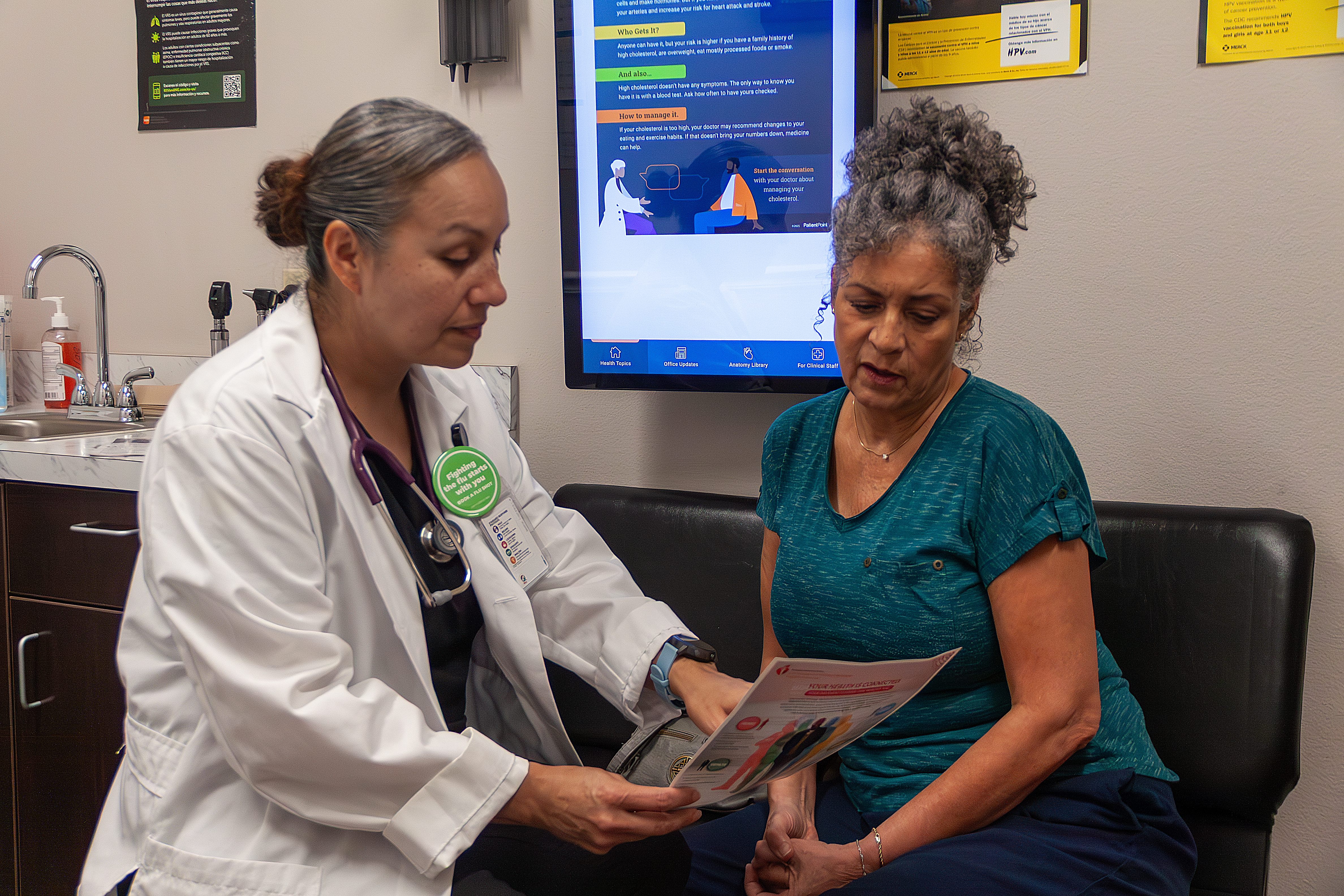
According to the American Heart Association’s new 2026 statistics update, almost 1 in 4 U.S. adults with diabetes are unaware they have it. In addition, Centers for Disease Control data[1] report that as many as 9 in 10 adults with chronic kidney disease do not know they have it.
Because heart disease, kidney disease and diabetes are closely linked, having one condition often increases the likelihood of developing the others. This is largely due to shared risk factors, including high blood pressure, high cholesterol, high blood sugar, excess weight and reduced kidney function. The Association’s statistics report indicates that screening for kidney disease in particular could be improved, as two-thirds of patients with high blood pressure or diabetes are not aware that they also have kidney disease due to lack of uACR testing, a urine test for kidney function. For people with diabetes or high blood pressure, two screening tests for kidney health are suggested: the uACR urine test and eGFR blood test. Each measures different aspects of kidney health and function.
“We are encouraging people to become aware of the connection between conditions so they and their health care team can think about their overall health beyond individual conditions,” said Stacey E. Rosen, M.D., FAHA, volunteer president of the American Heart Association. “Understanding the connection helps you better prevent complications through lifestyle changes and appropriate treatment.”
The medical term for the connection between heart disease, kidney disease and diabetes is cardiovascular-kidney-metabolic syndrome, or CKM syndrome. The biggest health threats from CKM syndrome are disability and death from heart disease and stroke, which make up the “cardiovascular” part of CKM.
The “metabolic” part of CKM syndrome includes diabetes and obesity. Kidney disease is closely linked with both metabolic and cardiovascular diseases.
Rosen emphasizes that regular screening of your cardiovascular, kidney and metabolic health can catch problems early, as approximately 80% of heart attacks and strokes are preventable, according to the American Heart Association. In addition, risk factors often develop slowly, with few or no symptoms at first.
“Due to the current risk factor rates, everyone could benefit from being screened this way,” she adds. Rosen is executive director of the Katz Institute for Women’s Health and senior vice president of women’s health at Northwell Health in New York City.
The Association’s 2026 statistics report shows that about half of all U.S. adults have high blood pressure, about 1 in 3 has high total cholesterol, more than half have prediabetes or diabetes, over half have a high waist circumference, and about 1 in 7 has kidney disease.
Screening for CKM syndrome may include the following tests:
- Blood pressure
- Cholesterol panel, which includes total cholesterol, LDL cholesterol (known as “bad” cholesterol), HDL cholesterol (“good” cholesterol), and triglycerides, the most common type of fat in the body
- Blood glucose (blood sugar), measured in either the short term as fasting glucose or long term as A1C
- Body weight and size, measured by body mass index (BMI) and waist circumference
- Kidney function, measured with both UACR and eGFR
A healthcare professional can put results from these tests into the PREVENT online calculator to estimate your individual risk for cardiovascular disease over the next 10 or 30 years.
CKM syndrome is preventable and treatable. Healthy habits like those in Life’s Essential 8 and evidence-based treatments can improve multiple health conditions together.
The American Heart Association, the world’s leading nonprofit organization focused on changing the future of health for all, has championed better heart and brain health for more than 100 years. The Association’s Cardiovascular-Kidney-Metabolic Health Initiative is a specific effort to raise awareness of the connections between CKM syndrome conditions and improve diagnosis rates, helping people to be more aware of their risk. The initiative, supported by founding sponsors Novo Nordisk and Boehringer Ingelheim, supporting sponsors Novartis Pharmaceuticals Corporation and Bayer, and champion sponsor DaVita, is enrolling 150 health care sites across 15 U.S. regions to participate in learning and sharing best practices for interdisciplinary care of CKM syndrome. It is expected to impact the care of more than a quarter-million patients.
The Association receives more than 85% of its revenue from sources other than corporations. These sources include contributions from individuals, foundations and estates, as well as investment earnings and revenue from the sale of our educational materials. Corporations (including pharmaceutical, device manufacturers and other companies) also make donations to the Association. The Association has strict policies to prevent any donations from influencing its science content and policy positions. Overall financial information is available here.
Additional Resources:
- News Release Translations: Spanish | Chinese (Simplified)
- American Heart Association news release: 15 regions chosen for groundbreaking effort to reduce cardiovascular disease (July 2025)
- American Heart Association’s CKM Health Implementation Guide
- Follow American Heart Association/American Stroke Association news on X @HeartNews
About the American Heart Association
The American Heart Association is a relentless force for a world of longer, healthier lives. Dedicated to ensuring equitable health in all communities, the organization has been a leading source of health information for more than one hundred years. Supported by more than 35 million volunteers globally, we fund groundbreaking research, advocate for the public’s health, and provide critical resources to save and improve lives affected by cardiovascular disease and stroke. By driving breakthroughs and implementing proven solutions in science, policy, and care, we work tirelessly to advance health and transform lives every day. Connect with us on heart.org, Facebook, X or by calling 1-800-AHA-USA1.
For Media Inquiries and AHA/ASA Expert Perspective: 214-706-1173
Maggie Francis: Maggie.Francis@heart.org
For Public Inquiries: 1-800-AHA-USA1 (242-8721)
heart.org and stroke.org
View the original release on www.newmediawire.com