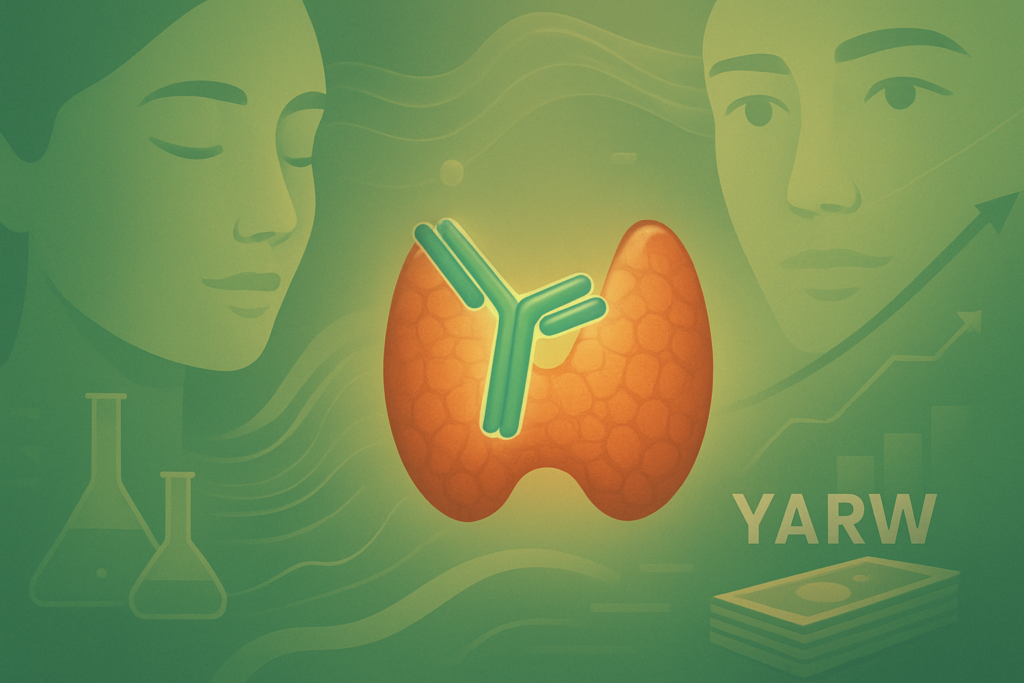
As of December 17, 2025, VYNE Therapeutics (NASDAQ: VYNE) stands at a pivotal juncture, having recently announced a definitive merger agreement with Yarrow Bioscience, Inc. This strategic move marks a significant transformation for the clinical-stage biopharmaceutical company, shifting its primary focus from its historical roots in immuno-inflammatory conditions, particularly dermatology, to the development of novel therapies for autoimmune thyroid diseases. The impending combination, which will see the combined entity operate as Yarrow Bioscience, Inc. under the new Nasdaq ticker "YARW," places a spotlight on Yarrow's lead program, YB-101. This clinical-stage, potentially first-in-class anti-thyroid-stimulating hormone receptor (TSHR) antibody is being developed for Graves' disease (GD) and thyroid eye disease (TED), conditions with substantial unmet medical needs. The merger, bolstered by approximately $200 million in pre-closing financing, underscores significant investor confidence in this new direction and positions the future Yarrow Bioscience as a noteworthy player in the autoimmune and endocrine therapeutic landscapes, with a projected cash runway into 2028. This article will delve into VYNE's journey, its business evolution, financial standing, and the implications of this transformative merger for investors and the broader biotechnology sector.
2. Historical Background
The journey of VYNE Therapeutics (NASDAQ: VYNE) is a testament to the dynamic nature of the biopharmaceutical industry, marked by strategic mergers, corporate rebranding, and significant shifts in therapeutic focus. The company's lineage traces back through several key transformations.
The most direct predecessor to VYNE Therapeutics Inc. was Menlo Therapeutics Inc., which officially changed its corporate name to VYNE Therapeutics Inc. on September 8, 2020, simultaneously transitioning its Nasdaq ticker from "MNLO" to "VYNE." This rebranding followed a crucial merger in March 2020, where Menlo Therapeutics combined with Foamix Pharmaceuticals Ltd., with Foamix becoming a wholly-owned subsidiary of Menlo.
Foamix Pharmaceuticals Ltd., founded in the early 2000s by Meir Eini and Dr. Dov Tamarkin, initially focused on a partnership model to develop topical and mucosal foam-based formulations for dermatological and gynecological applications. Over time, Foamix pivoted to internal research and development, leveraging its proprietary Molecule Stabilizing Technology (MST ). This strategic shift led to significant early milestones, including the U.S. Food and Drug Administration (FDA) approval of AMZEEQ® (topical minocycline foam 4%) in October 2019 for moderate-to-severe acne, and ZILXI (topical minocycline foam 1.5%) in May 2020, the first minocycline product approved for rosacea.
Menlo Therapeutics, prior to the merger, was primarily engaged in the development and commercialization of serlopitant for pruritic conditions. The merger of Menlo and Foamix in March 2020 was a transformative event, creating a combined entity with a strong focus on dermatology. David Domzalski assumed the role of Chief Executive Officer, aiming to integrate the strengths of both companies, particularly Foamix's approved products and Menlo's late-stage pipeline.
Following the merger and subsequent rebranding to VYNE Therapeutics in September 2020, the company continued to evolve. It discontinued the development of serlopitant after Phase 3 trial results, strategically pivoting its focus towards developing innovative and differentiated therapies for high unmet needs in dermatology. This led to the development of its proprietary InhiBET platform, which targets Bromodomain and Extra-Terminal Domain (BET) inhibitors for immuno-inflammatory conditions, with candidates like VYN201 for vitiligo and VYN202 for other immune-mediated disorders.
Most recently, as of December 17, 2025, VYNE Therapeutics announced an all-stock merger agreement with Yarrow Bioscience. This latest transformation is set to fundamentally redefine VYNE's strategic direction, shifting its core therapeutic focus to Yarrow's lead program, YB-101, an anti-TSHR antibody for Graves' disease and thyroid eye disease. This continuous evolution underscores VYNE's adaptive strategy in a competitive and rapidly advancing biopharmaceutical landscape.
3. Business Model
As of December 17, 2025, the business model of VYNE Therapeutics (NASDAQ: VYNE) is undergoing a profound transformation due to its announced merger with Yarrow Bioscience, Inc. To understand its future, it's essential to examine both its historical operations and the strategic pivot brought about by this merger.
Historical Business Model (Pre-Merger Announcement)
Historically, VYNE Therapeutics operated as a clinical-stage biopharmaceutical company with a primary focus on developing small-molecule therapies for inflammatory and immune-mediated conditions, particularly within dermatology.
- Revenue Sources: VYNE's revenue was modest and primarily derived from royalty agreements on legacy assets. Notably, it received royalty revenue from LEO Pharma A/S for Finacea® foam, a licensed asset. While the company did report product sales from AMZEEQ® and ZILXI in earlier periods (e.g., Q1 2021), indicating a brief foray into direct commercialization, its recent revenue stream was largely royalty-based. For the full 2025 fiscal year, analysts projected annual revenue of approximately $524,000, predominantly from these royalties.
- Gross Margins: As a company primarily generating royalty income rather than direct product sales, traditional gross margin analysis is not directly applicable.
- Product Lines and Pipeline: The core of VYNE's historical business model was its clinical pipeline.
- Commercial Offerings (Past): VYNE previously commercialized AMZEEQ® (topical minocycline foam 4%) for acne and ZILXI (topical minocycline foam 1.5%) for rosacea, leveraging its proprietary Molecule Stabilizing Technology.
- Clinical Pipeline (Recent): The company shifted its focus to advancing its InhiBET platform, which develops Bromodomain and Extra-Terminal Domain (BET) inhibitors. Key candidates included:
- VYN201 (Repibresib gel): A topically administered pan-BET inhibitor, being evaluated in a Phase 2b trial for nonsegmental vitiligo, designed for low systemic exposure.
- VYN202: An oral BD2-selective BET inhibitor in a Phase 1b trial for immune-mediated inflammatory conditions, though it faced a clinical hold in its psoriasis trial.
- Other investigational assets included FMX114 for atopic dermatitis and FCD105 for moderate-to-severe acne.
- Commercial Offerings (Past): VYNE previously commercialized AMZEEQ® (topical minocycline foam 4%) for acne and ZILXI
- Segments and Therapeutic Areas: The company's focus was primarily on dermatological conditions and broader immuno-inflammatory diseases, aiming to address high unmet needs in these areas.
- Customer Base: The target customer base included patients suffering from inflammatory and immune-mediated dermatological conditions, as well as the dermatologists and healthcare professionals who prescribed treatments for these ailments.
Impact of the Merger with Yarrow Bioscience (as of 12/17/2025)
The announced all-stock merger with Yarrow Bioscience, Inc. represents a radical strategic pivot, fundamentally reshaping VYNE's business model. The combined entity will be known as Yarrow Bioscience, Inc., trading under the ticker "YARW."
- Strategic Pivot and New Focus: The combined company will decisively shift its primary therapeutic focus to autoimmune thyroid diseases, specifically Graves' disease and thyroid eye disease (TED). This marks a significant departure from VYNE's previous emphasis on dermatology and broader immuno-inflammatory conditions.
- Product Lines and Pipeline:
- Primary Product Candidate: The cornerstone of the new business model will be Yarrow's lead program, YB-101 (also known as GS-098). This is a clinical-stage, potentially first-in-class anti-thyroid-stimulating hormone receptor (TSHR) antibody. Yarrow plans to initiate a U.S.-based Phase 1b/2b trial in Graves' disease in the first half of 2026, with Phase 1b data expected in the second half of 2027. A Phase 1 TED trial is also underway in China via a licensing partnership.
- Fate of VYNE's Existing Pipeline: While not explicitly stated for every asset, the intense focus on YB-101 strongly suggests that VYNE's prior pipeline assets (VYN201, VYN202, etc.) will likely be de-prioritized or divested by the new entity, as resources are concentrated on the lead program.
- Revenue Sources: The future revenue model will be entirely dependent on the successful clinical development, regulatory approval, and subsequent commercialization of YB-101. This transitions the company from a minimal royalty-based revenue stream to a high-risk, high-reward model characteristic of clinical-stage biotech, aiming for potential blockbuster sales in the long term. Prior to closing, VYNE stockholders are expected to receive a cash dividend of approximately $14.5 million to $16.5 million, distributing excess net cash.
- Financing: The merger is significantly de-risked by approximately $200 million in pre-closing financings from a syndicate of healthcare investors. This substantial funding is projected to provide the combined company with a cash runway into 2028, supporting the extensive clinical development of YB-101.
- Segments and Customer Base: The therapeutic segment will narrow to autoimmune thyroid diseases. Consequently, the customer base will shift to patients with Graves' disease and thyroid eye disease, and the endocrinologists and ophthalmologists who manage these conditions.
- Leadership and Ownership: Rebecca Frey, Yarrow's CEO, will lead the combined company. Pre-merger VYNE stockholders will hold approximately 3% of the combined entity, with Yarrow stockholders owning the remaining 97%. The transaction is expected to close in Q2 2026.
In essence, the merger transforms VYNE from a broadly focused immuno-inflammatory company with a diverse, albeit early-stage, pipeline and minor royalty revenue, into a highly specialized, well-funded clinical-stage entity singularly focused on developing a potential breakthrough therapy for autoimmune thyroid diseases.
4. Stock Performance Overview
As of December 17, 2025, VYNE Therapeutics (NASDAQ: VYNE) has experienced a tumultuous and largely challenging trajectory in its stock performance, significantly underperforming both broader market indices and its sector benchmarks over various time horizons. The stock has been highly sensitive to clinical trial outcomes and corporate strategic shifts.
Current Context (as of 12/17/2025):
On the day of this report, December 17, 2025, VYNE's shares saw a remarkable surge, soaring 55.45% to $0.63 following the announcement of its all-stock merger agreement with Yarrow Bioscience. This immediate positive reaction underscores the market's response to the strategic pivot and the associated financing.
1-Year Performance:
Over the past 12 months leading up to December 17, 2025, VYNE Therapeutics has recorded a substantial decline in its stock value, with reported decreases ranging from approximately 84.63% to 87.53%. This period reflects a challenging environment for the company and its investors, marked by pipeline setbacks.
5-Year Performance:
The five-year performance paints an even starker picture of value erosion. VYNE's stock has plummeted by an astonishing 99.71% from a split-adjusted price of $122.40 five years prior. The company reached an all-time low of $0.2805 on September 9, 2025, a stark contrast to its all-time high of $2,869.92 recorded on February 6, 2018 (prior to significant reverse splits and corporate changes).
10-Year Performance:
A direct 10-year performance analysis is not fully applicable for VYNE Therapeutics, as the company, in its current iteration, IPO'd on January 25, 2018. Furthermore, the corporate name change from Menlo Therapeutics Inc. to VYNE Therapeutics Inc. and the ticker symbol change from "MNLO" to "VYNE" occurred on September 8, 2020, further segmenting its historical data.
Key Events Influencing Performance:
- December 17, 2025 – Merger Agreement with Yarrow Bioscience: The announcement of the all-stock merger, which will see VYNE shareholders own approximately 3% of the combined company and receive a pre-closing cash dividend, triggered a significant positive spike in the stock. This event signaled a new strategic direction and financial backing.
- July 30, 2025 – Failed Vitiligo Trial: The company's stock experienced a dramatic decline of 73-74% after its Phase 2b trial for Repibresib gel in nonsegmental vitiligo failed to meet its primary and key secondary efficacy endpoints. This clinical setback led to the termination of the study's extension phase and a search for an external development partner.
- April 25, 2025 – FDA Clinical Hold on Psoriasis Drug: The U.S. Food and Drug Administration (FDA) placed a clinical hold on VYNE's Phase 1b study of VYN202, an oral BET inhibitor for moderate-to-severe plaque psoriasis. This was due to observations of testicular toxicity in non-clinical toxicology studies in dogs, causing a notable drop in share price. The hold was later partially lifted for female patients at lower doses.
- May 6-7, 2024 – VYN202 IND Clearance: VYNE received FDA clearance for its Investigational New Drug (IND) application for VYN202, allowing the initiation of a Phase 1a clinical trial for immuno-inflammatory conditions, which provided a temporary positive sentiment.
- August 12, 2021 – Licensing of BET Inhibitor Platform: An exclusive license agreement with In4Derm Limited for its Bromodomain and Extra-Terminal Domain (BET) inhibitor platform, including topical VYN201 and oral VYN202, was seen as a strategic move to bolster its pipeline.
- September 8, 2020 – Corporate Name and Ticker Change: The rebranding to VYNE Therapeutics Inc. marked a new chapter following the merger.
- March 2020 – Merger with Foamix Pharmaceuticals: The combination of Menlo Therapeutics Inc. and Foamix Pharmaceuticals Ltd. was a foundational event, aiming to create a more robust dermatology-focused company.
Comparison to Relevant Indices or Sector Benchmarks:
VYNE Therapeutics' performance has significantly lagged broader market and biotechnology-specific indices, highlighting the inherent risks and volatility of clinical-stage biopharmaceutical investments.
- S&P 500: Over the past year, the S&P 500 demonstrated a positive return of 11.96% (as of 12/16/2025). Over five years, it achieved a substantial return of 110.9%, and over ten years, a remarkable 258.3%.
- NASDAQ Biotechnology Index (NBI): The NBI recorded a positive 1-year return of approximately +26.45% to +26.7% (as of 12/15/2025). Its 5-year return was +16.83%, and its 10-year cumulative performance was 64.26% (as of 9/30/2025), representing an annualized return of 5.09%.
In conclusion, VYNE Therapeutics has experienced extreme stock price depreciation over recent years, primarily driven by critical clinical development outcomes. While the recent merger announcement provided a much-needed positive catalyst, the long-term trend has been one of severe underperformance compared to the robust growth observed in both the broader market and the biotechnology sector. This underscores the speculative nature of investing in companies highly dependent on clinical trial success.
5. Financial Performance
As of December 17, 2025, the financial profile of VYNE Therapeutics (NASDAQ: VYNE) is in a state of transition, largely influenced by its recent Q3 2025 earnings report and the transformative merger agreement with Yarrow Bioscience.
Latest Financial Performance (Q3 2025, reported November 6, 2025):
VYNE Therapeutics, operating as a clinical-stage biopharmaceutical company, demonstrated a focus on cost management in its Q3 2025 results amidst strategic evaluations and pipeline adjustments.
- Revenue Growth: For Q3 2025, VYNE reported revenues of $0.169 million, marking a 39.7% increase from $0.121 million in Q3 2024. This revenue primarily consists of royalty income derived from a licensing agreement with LEO Pharma A/S for Finacea® foam. Analysts projected total annual revenue for the full 2025 fiscal year to be around $524,000.
- Gross Margins: As a company primarily generating royalty income rather than direct product sales, traditional gross margin analysis is not directly applicable.
- Operating Expenses: Total operating expenses saw a notable reduction, decreasing to $7.961 million in Q3 2025 from $13.212 million in Q3 2024.
- Research and Development (R&D) Expenses: R&D expenses experienced a substantial 48.7% decrease, falling from $10.2 million in Q3 2024 to $5.3 million in Q3 2025. This reduction was primarily attributed to decreased spending on the repibresib and VYN202 programs, notably following the termination of the repibresib Phase 2b trial in July 2025.
- General and Administrative (G&A) Expenses: G&A expenses also saw an 8.7% reduction, from $3.0 million in Q3 2024 to $2.7 million in Q3 2025.
- Net Income/Loss: The company reported a net loss of $7.3 million ($0.17 per share) for Q3 2025, representing an improvement compared to a net loss of $12.2 million ($0.29 per share) in the prior year's comparable period. The net loss for the last 12 months stood at -$33.67 million.
- Debt Levels: As of September 30, 2025, VYNE Therapeutics maintained a healthy balance sheet with virtually no debt, reporting $0.0 in total debt (some reports from June 2025 showed a negligible C$0.03 million). Its Debt-to-Equity (D/E) ratio was 0.00, indicating a strong reliance on equity and cash reserves.
- Cash Flow from Operations: For the nine months ended September 30, 2025, operating cash flow was a negative $14.19 million. Over the last 12 months, the operating cash flow was -$38.36 million, typical for a clinical-stage biotech.
- Cash and Equivalents: VYNE held a robust cash position with $32.7 million in cash, cash equivalents, and marketable securities as of September 30, 2025. This cash was projected to fund operations into the first half of 2027 under previous assumptions.
- Key Valuation Metrics (as of December 16/17, 2025):
- Market Capitalization: Approximately $11.98 million to $13.40 million.
- Enterprise Value: Negative, ranging from -$19.45 million to -$20.3 million, indicating that the company's substantial cash holdings exceeded its market capitalization and debt.
- Price/Sales (P/S) Ratio: 23.4x (reflecting minimal sales).
- Current Ratio: Approximately 8.9x, signaling strong short-term liquidity.
- Book Value Per Share: $1.01.
Financial Implications of the Announced Merger with Yarrow Bioscience:
The definitive all-stock merger agreement with Yarrow Bioscience, announced on December 17, 2025, will fundamentally alter VYNE's financial landscape.
- New Entity and Funding: The combined company, Yarrow Bioscience, Inc., will focus entirely on Yarrow's lead program, YB-101. Crucially, the merger is supported by approximately $200 million in pre-closing financings from a syndicate of healthcare investors. This substantial capital infusion is expected to provide the new entity with a cash runway extending into 2028, funding the critical advancement of the YB-101 program.
- Dividend to VYNE Stockholders: Prior to the merger's closing, VYNE plans to distribute its excess net cash to its existing stockholders through a pre-closing cash dividend, estimated to be between $14.5 million and $16.5 million.
- Ownership Structure: Post-merger, pre-merger VYNE stockholders are expected to own approximately 3% of the combined company, while Yarrow stockholders will hold approximately 97%.
- Market Reaction: The announcement spurred a significant surge in VYNE's stock price, reflecting investor optimism about the new strategic direction and financial backing.
In summary, VYNE Therapeutics demonstrated improved expense control and a healthy cash balance in Q3 2025. However, the announced merger represents a complete financial and strategic overhaul. The new Yarrow Bioscience entity will benefit from a substantial capital injection, ensuring a longer cash runway for its lead clinical program, while current VYNE shareholders will receive a cash dividend and retain a minority stake in the new, re-focused company.
6. Leadership and Management
As of December 17, 2025, the leadership and management structure of VYNE Therapeutics (NASDAQ: VYNE) is on the cusp of a significant overhaul due to its definitive merger agreement with Yarrow Bioscience. This strategic move will effectively transition control and strategic direction to Yarrow's leadership, creating a new entity focused on a distinct therapeutic area.
Pre-Merger Leadership and Corporate Strategy:
Prior to the merger announcement, VYNE Therapeutics operated under the following leadership and strategic framework:
- Current CEO: David Domzalski has served as President and Chief Executive Officer of VYNE Therapeutics since March 2020. His compensation package, including salary, bonuses, and equity, reflects his leadership role in steering the company through its clinical development phases.
- Key Leadership Team: The management team included David Domzalski, Dr. Iain Stuart, Mutya Harsch, and Tyler Zeronda, with an average tenure of 5.8 years, suggesting a degree of stability in the core team.
- Board of Directors: The board comprised David Domzalski, Sharon Barbari, Steve Basta, and Patrick G. LePore. Recent re-elections of Elisabeth Sandoval Little and Steven Basta as Class I directors in December 2025 indicated ongoing governance activities. The average board tenure was 4.7 years.
- Overall Corporate Strategy: VYNE's pre-merger strategy focused on developing therapies for inflammatory and immune-mediated conditions, primarily leveraging its proprietary Bromodomain and Extra-Terminal Domain (BET) inhibitors under the InhiBET platform. However, facing consistent unprofitability, cash flow issues, and a Nasdaq non-compliance notice, the Board initiated a strategic review in August 2025 to explore options to maximize stockholder value, including partnerships, licensing, mergers, or asset sales. This review ultimately led to the Yarrow merger.
- Governance Reputation: VYNE's Board of Directors has emphasized high standards of corporate governance, with stockholders approving director elections, auditor selection, and executive compensation at its annual meeting in December 2025. Despite these formal processes, an AI analyst from TipRanks provided a "Neutral" rating, citing concerns over financial distress (Altman Z-Score) and operational issues (Piotroski F-Score), indicating underlying challenges in its operational and financial health.
Impact of Merger with Yarrow Bioscience on Leadership and Strategic Direction:
The announced merger with Yarrow Bioscience fundamentally reshapes the leadership and strategic direction of the combined entity:
- New Entity and CEO: The combined company will be rebranded as Yarrow Bioscience, Inc. and will trade under the new Nasdaq ticker "YARW." Rebecca Frey, Yarrow's current Chief Executive Officer, will assume leadership of the merged company, signaling a complete change at the helm. Additionally, Lori Payton, Ph.D., will join the Yarrow management team as Chief Development Officer.
- Board of Directors Post-Merger: Upon the merger's completion, Yarrow will be responsible for designating all board members and executive officers of the combined company, effectively transferring corporate control and governance to Yarrow's stakeholders.
- Strategic Direction: The primary strategic focus will pivot entirely to advancing Yarrow's lead program, YB-101, a clinical-stage anti-thyroid-stimulating hormone receptor antibody targeting Graves' disease and thyroid eye disease. This represents a decisive shift from VYNE's previous therapeutic areas and pipeline assets, aligning with the goal of maximizing stockholder value through a focused, well-funded development program.
- Financial and Clinical Plans: The merger is backed by approximately $200 million in pre-closing financings, which will provide a cash runway into 2028. This funding is critical for advancing YB-101, with a U.S.-based Phase 1b/2b trial for Graves' disease expected to commence in H1 2026 and initial data anticipated in H2 2027. A Phase 1 trial for thyroid eye disease is also ongoing in China.
- Shareholder Implications: Existing VYNE stockholders will receive a cash dividend of $14.5 million to $16.5 million and are expected to own approximately 3% of the combined company, reflecting the change in ownership and strategic direction.
- Timeline: The merger, unanimously approved by both boards, is projected to close in the second quarter of 2026, subject to necessary approvals.
In essence, the merger transforms VYNE from an independent, struggling clinical-stage company to a minority shareholder in a new entity led by Yarrow's management, with a refreshed strategy centered on a single, high-potential asset in autoimmune thyroid diseases.
7. Products, Services, and Innovations
As of December 17, 2025, the product, service, and innovation landscape of VYNE Therapeutics (NASDAQ: VYNE) is undergoing a radical transformation, driven by its definitive merger agreement with Yarrow Bioscience, Inc. This all-stock transaction, expected to close in Q2 2026, will re-center the combined entity, Yarrow Bioscience, Inc. (trading as "YARW"), around a new therapeutic focus and lead asset.
Implications of the Merger with Yarrow Bioscience:
The merger signifies a near-complete pivot for VYNE. Existing VYNE stockholders are slated to own approximately 3% of the combined company, with Yarrow stockholders holding the vast majority (97%). This ownership structure underscores the strategic reorientation towards Yarrow's pipeline. A pre-closing cash dividend of $14.5 million to $16.5 million is planned for current VYNE shareholders. The new combined company will be led by Rebecca Frey, Yarrow's CEO, and is bolstered by approximately $200 million in pre-closing financings, providing a cash runway into 2028.
Future Product Portfolio and Innovation Pipeline (Post-Merger):
The core of the newly formed Yarrow Bioscience's product and innovation strategy will be the advancement of YB-101 (also known as GS-098).
- YB-101: This is a clinical-stage, potentially first-in-class, humanized monoclonal antibody designed to specifically target the thyroid-stimulating hormone receptor (TSHR). Its mechanism of action aims to block the pathogenic activity of autoantibodies that drive the progression of autoimmune thyroid diseases.
- Target Indications: YB-101 is being developed for two significant autoimmune thyroid conditions: Graves' disease (GD) and thyroid eye disease (TED), both areas with high unmet medical needs.
- R&D Efforts and Clinical Development:
- The combined company plans to initiate a U.S.-based Phase 1b/2b trial for Graves' disease in the first half of 2026.
- Initial Phase 1b data from this trial is anticipated in the second half of 2027.
- A Phase 1 trial for TED is already underway in China, facilitated through a licensing partnership with Changchun GeneScience Pharmaceutical Co., Ltd (GenSci).
- Licensing Agreement: Yarrow recently secured an exclusive global ex-China license for GS-098 (YB-101) from Shanghai Scizeng Medical Technology Co., Ltd (an affiliate of GenSci). This agreement includes an upfront payment and potential development, regulatory, and commercial milestone payments that could total up to $1.365 billion, alongside tiered double-digit royalties on future net sales in licensed territories. This substantial deal validates the potential of YB-101.
VYNE Therapeutics' Pre-Merger Offerings and Pipeline (Contextual Information):
Prior to this transformative merger, VYNE Therapeutics was focused on developing therapies for inflammatory and immune-mediated conditions, primarily leveraging its proprietary Bromodomain and Extra-Terminal Domain (BET) inhibitors under the InhiBET platform.
- Former Marketed Products: VYNE previously commercialized topical minocycline formulations such as AMZEEQ® (for acne) and ZILXI (for rosacea), and also held FCD105. The company also generated royalty revenue from Finacea® foam, which it had licensed to LEO Pharma A/S. These legacy products and associated revenues are expected to be de-emphasized or divested as part of the strategic shift post-merger.
- Pre-Merger Pipeline Candidates:
- VYN202: An oral small molecule BD2-selective BET inhibitor. It had shown promise in a Phase 1b trial for moderate-to-severe plaque psoriasis and potential in other fibro-inflammatory diseases. However, its Phase 1b trial faced a clinical hold in April 2025 due to testicular toxicity in non-clinical dog studies. While the FDA partially lifted the hold for female subjects in June 2025, further non-clinical studies were required to resume male subject trials.
- Repibresib gel (VYN201): A locally-administered small molecule pan-BD BET inhibitor. Its Phase 2b trial in nonsegmental vitiligo reported top-line results in July 2025, failing to meet primary or key secondary efficacy endpoints (F-VASI50 and F-VASI75). Although some statistically significant effects were observed in secondary and exploratory endpoints for the 3% concentration, VYNE subsequently terminated the trial's extension phase and sought a development partner.
R&D Efforts and Patents (Pre-Merger Context):
VYNE's pre-merger R&D efforts were deeply rooted in its InhiBET platform, aiming to develop differentiated therapies by selectively targeting BET proteins to downregulate pro-inflammatory cytokine transcription. The goal was to improve upon earlier-generation BET inhibitors. The company held patents for its novel chemical entities; for instance, repibresib gel had composition of matter patents extending into at least 2042 in the U.S. and 2040 in other major markets. Patents related to foamable carriers were also part of its intellectual property. Post-merger, the focus on intellectual property will naturally shift to Yarrow's portfolio, particularly surrounding YB-101.
Competitive Edge (Post-Merger):
The competitive edge of the combined Yarrow Bioscience will be primarily defined by YB-101's potential as a first-in-class TSHR antibody. Its targeted approach to Graves' disease and TED, combined with the substantial $200 million in financing, provides a robust foundation for advancing this lead candidate in therapeutic areas characterized by significant unmet needs. The clinical development roadmap, with trials planned and ongoing, positions the new entity to potentially address these conditions with a novel mechanism of action, differentiating it from existing or emerging treatments.
8. Competitive Landscape
As of December 17, 2025, the competitive landscape for VYNE Therapeutics (NASDAQ: VYNE) is undergoing a radical redefinition due to its definitive merger agreement with Yarrow Bioscience, Inc. This strategic pivot means the combined entity, Yarrow Bioscience, Inc. (trading as "YARW"), will shift its focus from VYNE's historical areas of dermatology and BET inhibitors to the specialized field of autoimmune thyroid diseases. This section will analyze the competitive environment for both VYNE's past and future endeavors.
Competitive Landscape for Future Focus: Autoimmune Thyroid Diseases (Graves' Disease and Thyroid Eye Disease)
The combined Yarrow Bioscience will concentrate on advancing YB-101 (formerly GS-098), a clinical-stage, humanized monoclonal antibody targeting the thyroid-stimulating hormone receptor (TSHR) for Graves' disease (GD) and thyroid eye disease (TED). A U.S.-based Phase 1b/2b trial for GD is slated for H1 2026, with Phase 1b data expected in H2 2027.
1. Main Industry Rivals and Market Share:
The market for GD and TED is substantial, with the TED market alone valued at approximately $2.5 billion in 2023 across seven major markets, and the GD market projected to reach $6.78 billion by 2035.
- Standard of Care for Graves' Disease: Current treatments primarily manage hyperthyroidism rather than the underlying autoimmune cause. These include anti-thyroid drugs (e.g., methimazole, propylthiouracil), radioactive iodine therapy, and thyroid surgery, often leading to lifelong hypothyroidism.
- Standard of Care for Thyroid Eye Disease (TED): For active TED, treatments range from supportive measures (eye drops, selenium) to systemic corticosteroids and Teprotumumab (Tepezza® – Amgen/Horizon Therapeutics). Tepezza, approved in 2020, is the only FDA-approved drug specifically for TED, acting as an insulin-like growth factor-1 receptor (IGF-1R) inhibitor. For inactive TED, surgical interventions are common.
2. Pipeline Competitors in Graves' Disease and TED:
The landscape is becoming increasingly crowded with novel therapies targeting various mechanisms:
- IGF-1R Inhibitors (similar to Tepezza):
- Viridian Therapeutics: Developing VRDN-001 (veligrotug) and VRDN-003, both IGF-1R inhibitors. VRDN-001 is in Phase 3 trials for active and chronic TED and holds FDA breakthrough therapy designation.
- Sling Therapeutics: Developing linsitinib, an IGF-1R inhibitor, for GD/TED.
- ACELYRIN Inc. and Tourmaline Bio, Inc. also have IGF-1R targeting agents in development.
- FcRn Inhibitors: These block the neonatal Fc receptor (FcRn) to degrade pathogenic IgG antibodies, including TSHR autoantibodies (TRAb).
- Immunovant: Developing Batoclimab and IMVT-1402, both anti-FcRn monoclonal antibodies. Batoclimab showed significant TRAb reductions, though a trial was terminated due to cholesterol increases. IMVT-1402 recently received IND clearance for Graves' disease.
- Argenx: Developing Efgartigimod PH20 SC (FcRn inhibitor).
- Other TSHR-Targeting Therapies (similar mechanism to YB-101):
- K1-70 (AV7 Limited): A human monoclonal TSHR-blocking antibody in Phase I for GD and TED, showing a favorable safety profile and early improvements.
- Academic research is exploring small molecule TSHR antagonists and antigen-specific immunotherapies.
3. VYNE/Yarrow's Positioning (YB-101):
The combined company's core strength lies in YB-101's potentially "first-in-class" direct TSHR-targeting mechanism.
- Competitive Strength: YB-101 aims to directly block the pathogenic activity of thyroid-stimulating autoantibodies by binding to the TSHR, preventing receptor activation. This direct inhibition of the primary autoimmune driver differentiates it from IGF-1R inhibitors (like Tepezza, which acts downstream) and FcRn inhibitors (which broadly reduce IgG antibodies). Direct TSHR targeting could offer broader efficacy by inhibiting both IGF-1R-dependent and independent pathways in TED, potentially avoiding broad systemic immunosuppression.
- Competitive Weaknesses: YB-101 is in early clinical development (Phase 1b/2b starting H1 2026), meaning its efficacy and safety profile are yet to be fully established against approved therapies and late-stage pipeline drugs. Its "first-in-class" nature carries both opportunity and the inherent risks of lengthy and complex clinical development.
Competitive Landscape for Historical Therapeutic Areas (Dermatology and BET Inhibitors)
Prior to the merger, VYNE focused on immuno-inflammatory and dermatologic conditions.
1. Dermatology:
- Products/Pipeline: VYNE had topical minocycline formulations (AMZEEQ, Zilxi) and its lead candidate, repibresib gel (VYN201), a topical pan-BET inhibitor for nonsegmental vitiligo.
- Competitive Status: VYN201's Phase 2b trial for vitiligo failed to meet its primary and key secondary endpoints in July 2025, leading to its discontinuation.
- Main Industry Rivals (Vitiligo): The vitiligo market is moderately consolidated. Incyte Corporation (Opzelura, a topical JAK inhibitor) holds a significant position. Other players include Pfizer (oral ritlecitinib in Phase 3), Clinuvel Pharmaceuticals, Astellas Pharma, Bristol-Myers Squibb, and Dermavant Sciences. VYNE faced competition from established and emerging therapies, particularly JAK inhibitors.
2. BET Inhibitors:
- Pipeline (VYN202): VYN202 is an oral BD2-selective BET inhibitor for immune-mediated inflammatory conditions like psoriasis. VYNE positioned it for class-leading BD2 selectivity, aiming for an improved benefit/risk profile.
- Competitive Status: VYN202's Phase 1b trial for psoriasis faced a clinical hold in April 2025 due to testicular toxicity in dog studies. While the hold was partially lifted for female subjects, it remains for males, pending a repeat toxicology study.
- Main Industry Rivals (BET Inhibitors): The broader BET inhibitor market (valued at $1.1 billion in 2023, projected to $2.9 billion by 2030) includes numerous companies developing BET inhibitors for oncology and inflammatory diseases. Many pan-BET inhibitors have faced dose-limiting toxicities, leading to a focus on selective BD1 or BD2 inhibitors. Competitors include companies like AbbVie (ABBV-744).
Overall Competitive Strengths and Weaknesses of VYNE (Post-Merger):
- Strengths:
- Novel Mechanism in Autoimmune Thyroid Disease: YB-101's direct TSHR-targeting offers a differentiated approach to GD and TED, potentially superior to IGF-1R inhibitors or broad immunosuppressants.
- Broad Potential: YB-101 could treat both Graves' hyperthyroidism and TED with a single agent.
- Strong Financial Backing: The $200 million pre-closing financing provides a solid runway into 2028 for YB-101's development.
- Experienced Leadership: Rebecca Frey brings expertise in the new focus area.
- Weaknesses:
- Early Clinical Stage: YB-101 is still in early development, facing a long and uncertain path to market against late-stage and approved competitors.
- Intense Competition: The GD and TED landscape is increasingly competitive with approved therapies and multiple advanced pipeline drugs.
- Shift from Prior Expertise: The pivot from dermatology/BET inhibitors means the new entity's success hinges entirely on Yarrow's asset, with VYNE's prior challenges largely left behind.
- Limited Legacy Shareholder Ownership: VYNE's pre-merger stockholders will hold only a 3% stake in the combined company.
In conclusion, the merger with Yarrow Bioscience strategically repositions VYNE from a company with challenged dermatology and BET inhibitor programs to a focused entity with a potentially transformative, TSHR-targeting antibody (YB-101) for autoimmune thyroid diseases. This new direction offers a differentiated mechanism in a market with significant unmet needs but also introduces the substantial challenges of early-stage clinical development and competition from other innovative, albeit differently targeted, therapies.
9. Industry and Market Trends
As of December 17, 2025, VYNE Therapeutics (NASDAQ: VYNE) is navigating a dynamic biopharmaceutical landscape, with its future inextricably linked to broader industry trends and the significant strategic shift brought about by its definitive merger agreement with Yarrow Bioscience. This merger fundamentally redefines VYNE's position, pipeline, and financial outlook within the sector, particularly within the autoimmune disease market.
Pre-Merger Landscape for VYNE Therapeutics:
Prior to the merger announcement, VYNE was a clinical-stage biopharmaceutical company focused on inflammatory and immune-mediated conditions, primarily through its proprietary BET inhibitors. Its pipeline included repibresib gel for nonsegmental vitiligo, which subsequently failed its Phase 2b trial in July 2025, and VYN202 for psoriasis, which faced a clinical hold due to toxicity concerns. Financially, VYNE had a modest cash position, a narrowing net loss in Q3 2025, but an Altman Z-Score indicating financial distress and a modest market capitalization. The company was actively seeking strategic alternatives, a clear signal of its precarious position.
Industry-Level Trends in the Biopharmaceutical Sector (as of 2025):
-
Macro Drivers:
- Innovation and Technology: Artificial intelligence (AI) is rapidly transforming drug discovery, clinical trial design, and regulatory processes, potentially cutting drug development timelines significantly. AI is moving from an experimental tool to an essential enterprise backbone across R&D, commercial, and supply chain functions.
- Scientific Advancements: An unprecedented understanding of human biology, coupled with novel therapeutic modalities (e.g., genomics, 'omics' data), is enabling the development of transformative treatments. Precision medicine and personalized therapies are gaining traction, often powered by AI.
- Emerging Markets: Biopharma companies are expanding clinical trials into emerging markets, attracted by evolving regulatory standards and the potential for faster, more efficient trial processes.
- Focus on Core Strengths: Companies that concentrate R&D and commercialization resources on core therapeutic areas generally demonstrate higher total shareholder returns.
-
Challenges and Cyclical Effects:
- Patent Cliffs: The industry faces substantial revenue headwinds, with an estimated $128 billion at risk from expiring patents over the next five years, particularly in 2028. This drives M&A and licensing activity.
- Intensifying Competition and Payer Pressures: Novel treatments and faster innovation cycles lead to declining market share for older products and compel companies to rethink business models and commercial strategies to justify high drug prices.
- Regulatory Uncertainty: Geopolitical factors, potential changes in drug pricing policies (e.g., Medicare price negotiation in the U.S.), and evolving regulatory reforms create an uncertain environment for long-term R&D investments.
- Biotech Funding Cycles: After a boom in 2020-2021, biotech funding has become highly selective. While venture capital saw a rebound in Q3 2025, investors prioritize companies with de-risked assets, strong scientific validation, clear commercial pathways, and a focus on high-impact therapeutic areas. Public biotech valuations remain under pressure, limiting IPOs to late-stage companies.
- M&A Activity: There's an increasing trend of larger pharmaceutical companies acquiring or licensing assets from smaller biotechs to offset patent expirations and gain access to talent and innovative technologies.
Autoimmune Diseases Sector Trends (as of 2025):
The market for autoimmune disease treatments is experiencing robust growth:
- Market Growth: The global autoimmune treatment market was valued between $79.76 billion and $150 billion in 2025, with projections for steady growth to reach $103.01 billion by 2030 (CAGR 5.25%) and up to $275 billion by 2033 (CAGR 7%).
- Increasing Prevalence and Awareness: A rising incidence of autoimmune disorders globally, coupled with greater public awareness and improved diagnostic capabilities, is driving demand for advanced therapies.
- Therapeutic Advancements: The market is shifting towards precision intervention with significant R&D in novel biologics and targeted therapies. Breakthroughs, such as CAR-T applications in lupus, are emerging. Biosimilars are also gaining traction, offering more affordable options and freeing up payer budgets for novel assets.
- R&D Initiatives: Both government and pharmaceutical companies are increasing R&D efforts to develop new drugs with improved efficacy and safety profiles.
- Challenges: High treatment costs and potential side effects remain significant barriers to access for some patients.
Supply Chain Considerations for Biopharmaceuticals:
The biopharmaceutical supply chain in 2025 emphasizes resilience, efficiency, and adaptability:
- Risk Management and Transparency: Increased focus on real-time monitoring, predictive analytics, and diversification of supply sources to mitigate geopolitical instability, natural disasters, and regulatory changes.
- Digital Transformation and AI: Heavy investment in digital tools, AI, and smart manufacturing to optimize supply chains, improve efficiency, and ensure traceability.
- Cold-Chain Logistics: Critical for sensitive biologic products, requiring continuous enhancements to maintain quality and meet stringent regulatory standards.
- Patient-Centricity: For advanced therapies, supply chains are becoming highly personalized, involving lot-size-one manufacturing, vial-level tracking, and direct-to-patient logistics.
- Regulatory Oversight: Tightening oversight on sourcing, traceability, and cross-border compliance by regulatory bodies like the FDA, especially for active pharmaceutical ingredients (APIs).
Implications of the Merger with Yarrow Bioscience for VYNE Therapeutics:
The merger, announced December 17, 2025, profoundly impacts VYNE's alignment with these trends:
- Strategic Repositioning and Focus: The combined Yarrow Bioscience, Inc. will concentrate exclusively on YB-101 for Graves' disease and thyroid eye disease. This aligns with the trend of focusing R&D on high-impact, specialized therapeutic areas within the growing autoimmune market.
- Enhanced Financial Runway: The $200 million in pre-closing financing provides a significantly longer cash runway into 2028, addressing VYNE's previous financial distress and aligning with investor demand for de-risked assets in a selective funding environment.
- Pipeline Overhaul: VYNE's prior pipeline is effectively superseded. The new entity's success hinges entirely on YB-101, with its Phase 1b/2b trial for Graves' disease expected in H1 2026.
- New Leadership and Ownership: The shift to Yarrow's leadership and the 3% ownership for legacy VYNE shareholders reflect a near-complete change in corporate control and strategic direction, consistent with M&A trends for pipeline enhancement.
- Addressing Funding Challenges: The substantial capital influx directly addresses the cyclical funding challenges in biotech, positioning the new Yarrow Bioscience to advance its lead candidate through clinical trials.
In conclusion, the merger with Yarrow Bioscience fundamentally reshapes VYNE's future, transitioning it from a struggling entity with pipeline challenges to a newly capitalized, specialized biopharmaceutical firm. This move aligns with broader biopharma trends of strategic M&A for pipeline enhancement and specialization within growing therapeutic markets, while also navigating the inherent cyclicality and funding pressures of the biotech sector.
10. Risks and Challenges
As of December 17, 2025, VYNE Therapeutics (NASDAQ: VYNE) is undergoing a profound transformation through its announced merger with Yarrow Bioscience, Inc. This all-stock transaction, which will see the combined entity operate as Yarrow Bioscience, Inc. under the new Nasdaq ticker "YARW," fundamentally reshapes VYNE's risk profile. While the merger provides a new strategic direction and substantial financing, it also concentrates the inherent heightened risks associated with clinical-stage biopharmaceutical companies.
Operational Risks
Prior to the merger, VYNE Therapeutics faced significant operational challenges. The company exhibited signs of financial distress, with a negative Altman Z-Score and operational difficulties indicated by its Piotroski F-Score. Its clinical pipeline also suffered setbacks: the VYN202 program faced a clinical hold in April 2025 due to testicular toxicity in animal studies (later partially lifted for female subjects), and the repibresib gel Phase 2b trial for nonsegmental vitiligo failed to meet its primary or secondary endpoints in July 2025. These issues ultimately prompted a strategic review to maximize shareholder value.
With the merger, the operational focus shifts entirely to Yarrow Bioscience's lead clinical candidate, YB-101. This singular focus introduces a "single-asset risk," a common and significant challenge for biotech companies where the failure of one primary asset can devastate the company. The successful execution of YB-101's clinical trials, including the planned U.S.-based Phase 1b/2b trial for Graves' disease in H1 2026, is paramount.
Furthermore, the merger involves a complete transfer of control, with Yarrow stockholders expected to own approximately 97% of the combined entity and Yarrow designating all board members and executive officers. This significant shift in leadership and ownership, while providing a new strategic direction, also carries inherent risks associated with integrating two companies, potential cultural clashes, and the departure or reassignment of VYNE's previous operational personnel and expertise.
Regulatory Risks
The combined Yarrow Bioscience faces substantial regulatory risks, typical for a clinical-stage biopharmaceutical company. The entire drug development process is lengthy, complex, highly regulated, and expensive, often spanning over a decade and billions of dollars. Success at any clinical trial phase does not guarantee eventual regulatory approval, and setbacks at any stage can lead to significant delays or outright failure.
The primary regulatory risk for the new entity centers on YB-101. As a clinical-stage program, it must successfully navigate multiple phases of clinical trials and gain approval from regulatory bodies like the FDA. The projected timeline, with Phase 1b data anticipated in H2 2027, illustrates the long path ahead and the sustained regulatory scrutiny it will undergo.
VYNE's recent experience with the VYN202 clinical hold serves as a stark reminder of the stringent regulatory environment and the potential for unexpected safety concerns to derail a program. Additionally, the U.S. Securities and Exchange Commission (SEC) has heightened its scrutiny of disclosures from clinical-stage biotechs, penalizing companies for misleading statements regarding FDA communications or clinical trial progress. This creates additional regulatory and litigation risks related to transparent and timely communication of YB-101's development.
Potential Controversies
The merger itself could be a source of controversy, particularly concerning the value proposition for pre-merger VYNE shareholders. With Yarrow stockholders set to own approximately 97% of the combined company, existing VYNE shareholders will experience significant dilution, retaining only about 3% ownership. While VYNE plans to distribute a pre-merger cash dividend of $14.5 million to $16.5 million, some investors might view this as inadequate compensation, especially given VYNE's prior market valuation and stock performance, which saw shares fall nearly 85% over the past year. The fact that VYNE was facing substantial financial and operational challenges, including a Nasdaq non-compliance notice, suggests the merger might have been a necessary strategic move to avoid a worse outcome, rather than an optimal value-creation event for all existing shareholders.
Beyond the merger's financial structure, potential controversies could arise from YB-101's clinical trial outcomes. Any unexpected adverse events, efficacy concerns, or trial failures could lead to public backlash, reputational damage, and investor lawsuits, similar to the broader litigation risks faced by the biotech sector.
Market Risks
The combined Yarrow Bioscience operates in a highly competitive and volatile market. YB-101 targets Graves' disease and thyroid eye disease. While Yarrow believes YB-101 has the potential to disrupt the current treatment landscape, it will face competition from existing therapies, such as Amgen's Tepezza, which generates billions in annual sales for thyroid eye disease. The ability of the new entity to differentiate YB-101, achieve favorable market acceptance, and establish effective distribution channels remains a significant market risk.
The biotechnology industry is also subject to intense pricing pressures and increasing demands to demonstrate the value of new therapies to justify their cost. The combined company will need to provide robust data proving YB-101's economic and clinical effectiveness to secure favorable reimbursement and market access.
Furthermore, clinical-stage biopharmaceutical companies are characterized by extreme stock price volatility, with valuations heavily influenced by clinical trial results, regulatory announcements, and funding news. Despite the $200 million in pre-closing financing secured to fund operations into 2028, the long-term, capital-intensive nature of drug development means that future financing needs could arise. Investors are becoming more selective, and a challenging economic environment could exacerbate difficulties in raising additional capital if needed.
Implications of the Merger with Yarrow Bioscience:
The merger represents a fundamental transformation for VYNE Therapeutics, effectively pivoting the company into a new entity primarily focused on Yarrow's pipeline. Key implications for risk management include:
- Complete Strategic Redirection: VYNE has fully abandoned its previous internal pipeline and strategic review in favor of Yarrow's lead program, YB-101, concentrating all future risks on this asset.
- New Leadership and Ownership Structure: Control shifts entirely to Yarrow's stakeholders, who will hold approximately 97% of the equity, creating a new governance and operational structure.
- Enhanced Financial Runway (Mitigated Risk): The $200 million pre-closing financing substantially extends the cash runway into 2028, mitigating immediate liquidity concerns that plagued VYNE.
- New Clinical Focus: The company's future success is now predominantly tied to YB-101, centralizing the clinical development risks.
- Significant Shareholder Impact: Pre-merger VYNE shareholders face substantial dilution, with their long-term returns dependent on YB-101's success.
In conclusion, while the merger with Yarrow Bioscience injects much-needed capital and a renewed clinical focus, it fundamentally reshapes VYNE's risk profile. The combined company inherits the inherent heightened operational, regulatory, and market risks of a clinical-stage biopharmaceutical entity, with its fortunes now largely dependent on the successful, timely, and safe development of YB-101 in a competitive market and under intense regulatory scrutiny.
11. Opportunities and Catalysts
As of December 17, 2025, VYNE Therapeutics (NASDAQ: VYNE) is poised for a significant strategic re-evaluation of its opportunities and catalysts, primarily driven by its announced all-stock merger with Yarrow Bioscience. This transformative event, which will result in the combined entity operating as Yarrow Bioscience, Inc. under the new Nasdaq ticker "YARW," decisively shifts the company's focus and opens up new avenues for growth and value creation.
1. Strategic Shift and Growth Levers through YB-101:
The paramount opportunity for the combined entity lies in the successful development and commercialization of YB-101 (also known as GS-098). This represents a complete reorientation from VYNE's prior pipeline, which included FMX114 for atopic dermatitis, BET inhibitors (VYN202, repibresib gel), and previously marketed products like AMZEEQ and ZILXI. Given VYNE's significant financial challenges and pipeline setbacks, this strategic pivot is crucial for its future viability.
YB-101 is a clinical-stage, humanized monoclonal antibody designed to target the thyroid-stimulating hormone receptor (TSHR). Its mechanism of action involves selectively binding to the TSHR and blocking autoantibody-induced receptor activation, which directly inhibits the biological pathway responsible for hyperthyroidism and orbitopathy. This targeted approach is considered a "first-in-class" potential, offering a differentiated risk-benefit profile compared to existing therapies, particularly those targeting IGF-1R, which have been associated with broader receptor expression and adverse events. The ability to directly inhibit the primary autoimmune driver could unlock significant therapeutic advantages.
2. New Market Opportunities:
The merger opens up substantial new market opportunities by focusing on Graves' Disease (GD) and Thyroid Eye Disease (TED), both of which represent areas of high unmet medical need and significant market potential.
- Graves' Disease (GD): A prevalent autoimmune disorder leading to an overactive thyroid, currently managed primarily with symptomatic treatments rather than disease-modifying therapies.
- Thyroid Eye Disease (TED): A debilitating autoimmune condition affecting the eyes, often occurring in conjunction with Graves' disease, with limited targeted treatment options.
Yarrow Bioscience has secured exclusive global ex-China rights to develop, manufacture, and commercialize YB-101 for these indications through a licensing agreement with Shanghai Scizeng Medical Technology Co., Ltd. (an affiliate of Changchun GeneScience Pharmaceutical Co., Ltd.). GenSci retains the rights for China. This ex-China focus provides access to major global pharmaceutical markets. The licensing deal itself is a significant validation of YB-101's potential, involving a $70 million upfront payment, a $50 million near-term development milestone, and potential total milestone payments of up to $1.365 billion, plus tiered double-digit royalties on future net sales in licensed territories.
3. M&A Potential:
While the immediate focus post-merger will be on advancing YB-101 through clinical trials, the combined entity, Yarrow Bioscience, Inc., could become an attractive M&A target in the future. The company will be well-capitalized with approximately $200 million in pre-closing financing, led by prominent healthcare investors like RTW Investments, OrbiMed, and Perceptive Advisors. This strong financial backing and investor confidence validate YB-101's potential. Should YB-101 demonstrate robust positive clinical data and progress through later-stage trials, its "first-in-class" potential and its ability to address unmet needs in autoimmune thyroid diseases could make it a compelling acquisition target for larger pharmaceutical companies seeking to expand their portfolios in endocrinology or autoimmune disorders. The current merger effectively positions Yarrow as the controlling entity, leveraging VYNE's public listing for access to capital and market visibility.
4. Near-Term Catalysts (as of 12/17/2025):
Several key catalysts are anticipated in the near term for the newly combined entity, which could significantly impact investor sentiment and stock performance:
- Merger Completion (Q2 2026): The definitive merger agreement, announced on December 17, 2025, is expected to close in the second quarter of 2026, contingent on shareholder and regulatory approvals. This formalizes the new company structure and its strategic direction, providing clarity for investors.
- Pre-Merger Cash Dividend (Prior to Closing): Prior to the merger's completion, VYNE plans to distribute a cash dividend of approximately $14.5 million to $16.5 million to its pre-merger stockholders. This provides immediate value to existing shareholders.
- Nasdaq Listing Under "YARW": Upon the merger's close, the combined company will begin trading on Nasdaq under the new ticker symbol "YARW." This rebranding signifies a fresh start and a clear focus on the new therapeutic area.
- Initiation of YB-101 Phase 1b/2b Trial in Graves' Disease (1H 2026): Yarrow Bioscience plans to initiate a U.S.-based Phase 1b/2b clinical trial for YB-101 in patients with Graves' disease in the first half of 2026. This is a critical step in advancing the lead asset and will be closely watched by the market.
- Phase 1b Data Readout for YB-101 in Graves' Disease (2H 2027): Early data from the Phase 1b portion of the Graves' disease trial is anticipated in the second half of 2027. Positive data from this trial would be a significant de-risking event, potentially validating YB-101's mechanism and efficacy, and serving as a major value driver for the company.
- Ongoing Phase 1 TED Trial in China: A Phase 1 trial for YB-101 in Thyroid Eye Disease is currently being conducted in China by Yarrow's licensing partner, GenSci. While specific near-term data readouts for the U.S. market are not detailed within the provided timeframe for the GD trial, any updates on its progress could also serve as catalysts, demonstrating broader potential for YB-101.
The combined company's strong financial backing and focused strategy on a high-potential, "first-in-class" asset in a market with significant unmet needs underscore the substantial opportunities presented by the merger and YB-101.
12. Investor Sentiment and Analyst Coverage
As of December 17, 2025, investor sentiment and analyst coverage for VYNE Therapeutics (NASDAQ: VYNE) are undergoing a dramatic recalibration in response to the announced all-stock merger with Yarrow Bioscience. This transformative event has fundamentally shifted the company's perceived value proposition, pipeline focus, and capital structure.
Wall Street Analyst Ratings:
Prior to the merger announcement, Wall Street analysts held a cautious but somewhat varied view on VYNE. Several analysts, including Joseph Pantginis of H.C. Wainwright, reiterated "Hold" ratings in early December 2025, suggesting an expectation for the stock to perform in line with the broader market. The overall consensus rating from four analysts over the past 12 months indicated a "Reduce" (one sell, three hold), with an average twelve-month price target of $4.50. This target, despite the cautious ratings, implied a substantial upside from the then-current price, reflecting the high-risk, high-reward nature of biotech. Conversely, some analyses, potentially incorporating the strategic review, indicated a "Strong Buy" consensus with a median price target of $4.00, ranging from $2.00 to $6.00. This divergence highlights the inherent uncertainty surrounding VYNE as a standalone entity and the speculative potential of its pipeline.
Recent Hedge Fund Activity:
Leading up to the merger announcement, hedge fund activity in VYNE Therapeutics showed a notable decrease. SEC filings for the period ending September 2025 revealed a significant drop in institutional ownership, falling from 41.7% in June 2025 to 15.6%. Prominent sellers of VYNE stock in Q3 2025 included VANGUARD GROUP INC, ACORN CAPITAL ADVISORS, LLC, MORGAN STANLEY, and UBS Group AG. While some institutional holders remained, the overall trend indicated a period of divestment by sophisticated investors, suggesting a lack of confidence in VYNE's standalone prospects before the strategic pivot.
Institutional Investor Holdings:
Institutional investor holdings mirrored the hedge fund activity, experiencing a substantial reduction. As of September 30, 2025, 36 institutional firms held VYNE shares, but the overall institutional ownership percentage had significantly decreased. More broadly, as of December 17, 2025, institutional ownership was reported at 12.04%, with 49 institutional owners holding a total of 4,250,516 shares. This downtrend in institutional investment clearly occurred before the merger news, reflecting the challenging environment VYNE faced.
Retail Investor Sentiment:
While direct comprehensive data on retail investor sentiment (e.g., from social media or forums) is not explicitly detailed, market reactions around the merger announcement provide strong indirect insights. VYNE's stock price surged 11.94% on December 16, 2025, and continued to rise, experiencing a significant 66% surge on Wednesday, December 17, 2025, following the merger news. This indicates an immediate and robust positive reaction from the market, including retail investors, to the strategic pivot and the new funding. Furthermore, insider sentiment was reported as "Positive," driven by high-impact open-market purchases by ten different insiders over the last year, which can often influence retail confidence. Despite this positive short-term reaction, TipRanks' AI Analyst "Spark" maintained a "Neutral" rating, acknowledging the strategic potential but also citing ongoing financial and operational challenges.
Impact of the Announced Merger with Yarrow Bioscience:
The merger, announced December 17, 2025, is a game-changer for investor sentiment:
- Strategic Pivot: The market views the shift to Yarrow's lead program, YB-101 (a clinical-stage TSHR antibody for Graves' disease and thyroid eye disease), as a positive strategic redirection from VYNE's previously challenged pipeline. This refocusing is seen as a necessary move to enhance stockholder value.
- Ownership Dilution vs. Cash Dividend: While existing pre-merger VYNE stockholders will experience significant dilution, owning only approximately 3% of the combined company, this is partially offset by VYNE's plan to declare a pre-closing cash dividend of $14.5 million to $16.5 million. This provides immediate, tangible value.
- Financing and Runway: The merger is bolstered by approximately $200 million in pre-closing financings. This substantial capital infusion, expected to fund operations into 2028 and support upcoming clinical trials for YB-101, addresses critical cash runway concerns that previously weighed on investor sentiment.
- Market Reaction: The immediate positive market reaction, with a sharp increase in stock price, suggests that investors perceive the merger, the new pipeline focus, and the significant funding as a favorable development, providing both short-term value through the dividend and long-term potential through Yarrow's therapies.
In summary, as of December 17, 2025, VYNE Therapeutics is navigating a major strategic change. While pre-merger analyst ratings were largely cautious with decreasing institutional ownership, the announced merger with Yarrow Bioscience, backed by substantial financing and a new therapeutic focus, has generated an immediate positive market reaction. The long-term investor sentiment will now largely depend on the successful advancement of YB-101 and the execution of the combined company's strategic vision.
13. Regulatory, Policy, and Geopolitical Factors
Bridgewater, NJ and New York, NY – December 17, 2025 – VYNE Therapeutics (NASDAQ: VYNE) is poised for a significant transformation following its definitive merger agreement with Yarrow Bioscience. The combined entity, which will operate as Yarrow Bioscience, Inc. and trade on Nasdaq under the ticker "YARW," will concentrate its efforts on advancing YB-101, a clinical-stage thyroid-stimulating hormone receptor (TSHR) antibody for Graves' disease and thyroid eye disease. This strategic pivot places the newly formed company squarely within the dynamic regulatory, policy, and geopolitical currents of the biopharmaceutical industry, with a specific focus on autoimmune diseases.
Merger Details and Strategic Focus
The all-stock merger, unanimously approved by both companies' boards, is expected to close in Q2 2026, pending shareholder and regulatory approvals. Yarrow Bioscience will be the dominant entity, with its stockholders anticipated to own approximately 97% of the combined company, and Yarrow executives slated to lead the new organization. A substantial pre-closing financing of approximately $200 million, led by RTW Investments, is expected to fund the combined company's operations into 2028, supporting multiple clinical trials, including a Phase 1b/2b trial for YB-101 in Graves' disease anticipated to begin in the first half of 2026. This merger signifies a clear strategic shift from VYNE's previous focus on its InhiBET platform and drug candidates like repibresib gel (VYN201) for vitiligo and VYN202 for psoriasis, which had mixed clinical results and faced an FDA clinical hold for male subjects. VYNE plans to issue a cash dividend of approximately $14.5 million to $16.5 million to its pre-merger shareholders.
Regulatory Landscape
The biopharmaceutical regulatory landscape in 2025 is characterized by evolving guidelines, an increasing focus on new technologies like Artificial Intelligence (AI), and continued efforts towards global harmonization.
- General Biopharmaceutical Regulations: Major regulatory bodies such as the U.S. Food and Drug Administration (FDA) and the European Medicines Agency (EMA) are actively updating their frameworks. The FDA, for instance, introduced draft guidance in January 2025 on the use of AI to support regulatory decision-making for drugs and biological products, emphasizing model credibility, transparency, and data quality. The EMA is also working on updating its regulatory framework, with an emphasis on sustainability, patient-centricity, and efficient regulatory pathways, including expanding initiatives like the PRIME scheme for unmet medical needs. The EU has implemented a significant pharmaceutical regulatory reform, effective in 2025-2026, aimed at improving access, fostering innovation, and strengthening the supply chain. This includes a shift to a flexible, modular incentive system where exclusivity extensions are tied to public health goals, such as launching products across all 27 EU countries.
- Drug Development for Autoimmune Diseases: The development of drugs for autoimmune diseases, such as Graves' disease and thyroid eye disease, falls under these overarching regulatory frameworks. There is a continuous need for therapies that address unmet medical needs in this area, which can potentially benefit from expedited pathways like the FDA's Breakthrough Therapy Designation or the EMA's PRIME scheme. Recent approvals, such as Amgen's UPLIZNA for generalized myasthenia gravis in December 2025, highlight the ongoing advancements and regulatory support for targeted therapies in chronic autoimmune neuromuscular diseases. The EMA has also recently recommended approval for a golimumab biosimilar for chronic inflammatory autoimmune diseases, indicating a robust market and regulatory pathway for new treatments in this therapeutic area.
Key Policies and Government Incentives
Governments globally are focused on fostering innovation in the biopharmaceutical sector, though approaches vary.
- Innovation and Market Access: In the U.S., policies continue to emphasize innovation and rapid market entry through programs like Accelerated Approval and Breakthrough Therapy Designation. However, there is ongoing scrutiny over confirmatory trial follow-through. In Europe, the 2025 pharma overhaul introduces a modular incentive system designed to encourage both rapid and broad access to innovative therapies, with extensions on data exclusivity for meeting specific public health objectives. The UK, post-Brexit, is using its Innovative Licensing and Access Pathway (ILAP) to support quick access to innovative medicines.
- Funding and Domestic Manufacturing: Public funding, such as that from the NIH, continues to be crucial for foundational research in biopharmaceuticals, de-risking early-stage science and incentivizing private investment. There is a growing trend towards encouraging domestic manufacturing and resilient supply chains, with the prospect of tariffs on imported medicines potentially reshaping biopharma supply chains. This could lead some companies to localize manufacturing in the US. The US administration's policy directives in 2025 also introduce uncertainty regarding drug pricing and reimbursement, and funding of innovation. There's an "America First" sentiment emerging, with proposals such as potential additional fees for sponsors not conducting Phase 1 trials in the US, which could increase drug development burden.
Geopolitical Risks and Opportunities
The biopharmaceutical industry in 2025 faces heightened geopolitical risks and, for some, opportunities, with biotech increasingly seen as a critical technology for national security and economic growth.
- Supply Chain and Trade: Geopolitical instability and shifts in trade policy, including potential tariffs on pharmaceutical imports, could disrupt complex supply chains and impact the cost and availability of active pharmaceutical ingredients (APIs). The Lazard report in August 2025 highlighted the increasing influence of geopolitical factors in biotech value chains, sometimes outweighing economic considerations.
- International Collaboration and Protectionism: While some initiatives aim for global harmonization, there's also a rise in protectionist measures, such as export controls and screening of foreign direct investment in biotech. Companies like Yarrow Bioscience, with a Phase 1 TED trial ongoing in China through a licensing partnership, will need to carefully navigate these international complexities. China's economic performance and potential tariffs could further impact companies marketing products there.
- Biosecurity and AI: The intersection of biotech with national security is growing, with NATO's 2024 strategy promoting responsible use of biotechnology and AI. Increased focus on economic and national security is expected to drive biosecurity research. The integration of AI into drug development also presents both opportunities for efficiency and challenges in regulatory oversight and ethical considerations across different regions.
Implications of the Merger with Yarrow Bioscience
The merger significantly reorients VYNE Therapeutics, now operating as Yarrow Bioscience, towards a specialized area within autoimmune diseases, specifically thyroid autoimmune disorders.
- Focused Pipeline and Regulatory Pathway: The combined company gains a clear focus with YB-101, a TSHR antibody for Graves' disease and thyroid eye disease. This specialized focus might allow for more streamlined interactions with regulatory bodies like the FDA and EMA, potentially utilizing expedited pathways for therapies addressing unmet needs in autoimmune conditions. However, the shift away from VYNE's previous pipeline means a different set of regulatory considerations and a need to establish a strong track record for Yarrow's specific drug class.
- Increased Funding and Stability: The $200 million financing package provides crucial financial runway until 2028, significantly de-risking early-stage development and allowing for robust clinical trials. This financial stability is a considerable advantage in a period of general biotech funding uncertainty.
- Regulatory Due Diligence and Integration: As with any merger, the combined entity faces administrative burdens related to regulatory affairs, including changes in company name, potential transfer of Marketing Authorization Holder (MAH), and harmonization of regulatory strategies. Thorough regulatory due diligence is essential to ensure compliance, mitigate risks, and facilitate successful integration, especially given the cross-border nature of Yarrow's existing partnerships.
- Geopolitical Exposure: Yarrow's ongoing Phase 1 trial for thyroid eye disease in China through a licensing partnership means the new entity will be directly exposed to geopolitical dynamics affecting the US-China biopharmaceutical relationship, including potential tariffs and trade tensions. This necessitates a vigilant approach to international trade policies, intellectual property protection, and supply chain resilience.
In conclusion, the newly formed Yarrow Bioscience (formerly VYNE Therapeutics) enters the biopharmaceutical landscape of late 2025 with a clear, well-funded strategy focused on autoimmune thyroid diseases. While benefiting from a dedicated pipeline and strong financial backing, it must skillfully navigate an increasingly complex regulatory environment, adapt to evolving government policies and incentives, and strategically manage both the risks and opportunities presented by the volatile geopolitical climate, particularly concerning its international development efforts.
14. Outlook and Scenarios
As of December 17, 2025, VYNE Therapeutics (NASDAQ: VYNE) has undergone a significant transformation through its definitive merger agreement with Yarrow Bioscience. The future of the combined entity, which will operate as Yarrow Bioscience, Inc., and trade on Nasdaq under the ticker symbol "YARW", is now intrinsically linked to the successful development and commercialization of its lead asset, YB-101.
The merger, an all-stock transaction, is expected to finalize in the second quarter of 2026, subject to necessary approvals. Prior to the closing, VYNE will distribute a cash dividend of approximately $14.5 million to $16.5 million to its pre-merger stockholders. Post-merger, pre-merger VYNE shareholders will own about 3% of the new company, with Yarrow shareholders holding the remaining 97%.
The combined company is bolstered by a substantial pre-closing financing of approximately $200 million, led by RTW Investments, which is projected to fund operations into 2028. Rebecca Frey, President and CEO of Yarrow, will lead the new organization.
VYNE Therapeutics (Yarrow Bioscience, Inc.) Outlook and Scenarios
1. Bull Case Scenario
The bull case for the newly formed Yarrow Bioscience, Inc. hinges on the clinical and commercial success of YB-101.
- "First-in-Class" Potential: YB-101 is a clinical-stage TSHR antibody aimed at treating Graves' Disease (GD) and Thyroid Eye Disease (TED), with the potential to be a first-in-class and best-in-class therapy. This targeted approach directly inhibits the biological pathway responsible for hyperthyroidism and orbitopathy, potentially offering a significant improvement over existing treatments by avoiding systemic immunosuppression.
- Addressing Unmet Needs: Both Graves' Disease and Thyroid Eye Disease represent areas with substantial unmet medical needs, suggesting a large market opportunity if YB-101 proves effective and safe.
- Strong Financial Runway: The $200 million financing is expected to sustain operations until 2028, providing ample runway for YB-101's crucial Phase 1b/2b trial in Graves' disease and ongoing Phase 1 trial in TED in China.
- Experienced Leadership: The combined company will be led by Yarrow's CEO, Rebecca Frey, potentially bringing specialized expertise to the development of YB-101.
- Strategic Pivot Justification: For pre-merger VYNE shareholders, the cash dividend and retaining a 3% stake in a company focused on a promising, potentially breakthrough therapy for autoimmune thyroid diseases could provide compelling short-term and long-term value.
2. Bear Case Scenario
The bear case primarily revolves around the inherent risks of biotechnology development and the singular focus on YB-101.
- Clinical Trial Failure: The most significant risk is that YB-101 fails to demonstrate sufficient efficacy or safety in its ongoing or planned clinical trials. Negative or inconclusive results from the Phase 1b/2b trial in Graves' disease (with initial data expected in late 2027) would severely impact the company's valuation and future prospects.
- Regulatory Hurdles: Unexpected delays or unfavorable decisions from regulatory bodies (e.g., FDA) could push back timelines and increase development costs.
- Competition: While YB-101 is positioned as a potential first-in-class therapy, the autoimmune thyroid disease space is attracting other developers, including companies working on similar TSHR/IGF-1R bispecific antibodies. Intense competition could limit market share even if YB-101 is successful.
- Limited Shareholder Upside for VYNE Investors: Pre-merger VYNE shareholders will hold only a 3% stake in the combined entity, meaning their potential upside is significantly diluted, even in a highly successful scenario.
- Past Financial Challenges: VYNE Therapeutics historically faced significant financial challenges, including declining revenue, deeply negative margins, and an Altman Z-Score indicating distress. While the new financing provides a lifeline, the company's future is now entirely dependent on YB-101's success.
- Funding Beyond 2028: While funded until 2028, if YB-101's development is protracted or requires more capital than anticipated, the company may face funding challenges later.
3. Short-term Projections (Next 6-12 Months – up to December 2026)
The short-term period for VYNE (soon to be Yarrow Bioscience, Inc.) will be characterized by transitional activities and early-stage clinical trial initiation.
- Merger Completion: The definitive merger agreement is in place, and the transaction is expected to close in the second quarter of 2026, at which point the company will officially become Yarrow Bioscience, Inc., and begin trading as "YARW" on Nasdaq.
- Cash Dividend: Pre-merger VYNE stockholders will receive a cash dividend of $14.5 million to $16.5 million prior to the merger's completion.
- Trial Initiation: Yarrow plans to initiate a U.S.-based Phase 1b/2b trial for YB-101 in Graves' disease patients in the first half of 2026. This will be a key operational milestone.
- Ongoing Trial: The Phase 1 trial for TED in China, managed by YB-101's licensing partner, GenSci, will continue.
- Analyst Sentiment: Current analyst sentiment around VYNE is cautious, with some holding a "Neutral" rating, citing the uncertainty of the merger's long-term potential and the clinical success of the pipeline.
4. Long-term Projections (1-5+ Years – Beyond December 2026)
The long-term trajectory of Yarrow Bioscience, Inc. is almost entirely dependent on the clinical development and market acceptance of YB-101.
- Key Data Readout (2H 2027): A critical inflection point will be the anticipated Phase 1b data from the Graves' disease trial in the second half of 2027. Positive data would be a significant catalyst, potentially paving the way for larger, later-stage trials and attracting further investment or partnerships.
- Regulatory Pathway: Successful clinical data would enable the company to advance YB-101 through Phase 2b and potentially Phase 3 trials, eventually seeking regulatory approval in key markets (U.S., EU, etc.).
- Market Penetration: If approved, YB-101 could become a significant treatment option for Graves' Disease and Thyroid Eye Disease, generating substantial revenue due to its potential as a highly targeted therapy addressing unmet needs.
- Pipeline Expansion: With YB-101's success, the company could leverage its platform and funding to acquire or develop additional assets, diversifying its pipeline beyond its current singular focus.
- Financial Sustainability: Continued success would lead to sustained profitability and growth, ensuring the company's long-term viability. Conversely, failure of YB-101 in later-stage trials or a poor market reception would likely lead to severe financial distress, potentially forcing the company to cease operations or undergo another significant restructuring.