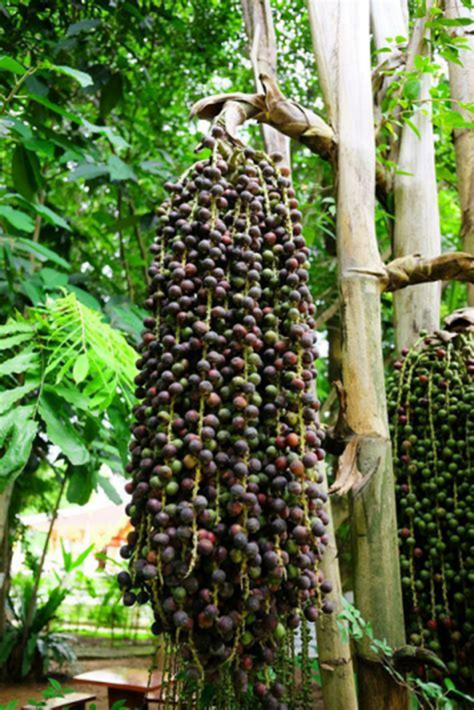
The açaí palm (Euterpe oleracea) - native to the Amazon - produces dark purple berry clusters highly prized in the food and beverage industry.
WELLINGTON, FL / ACCESS Newswire / August 14, 2025 / Santana Equestrian Private Financial (OTCID:SEQP)
Background
Euterpe oleracea, commonly known as açaí, is a palm tree originating in the Amazon rainforest. Its berry has exploded in popularity as a superfood in the American market, appearing in smoothies, bowls, supplements, and skincare. The United States is now one of the dominant consumers of açaí, with rising import volumes and açaí-based products flooding shelves.
However, fresh açaí fruit is almost never available outside its native region because it degrades rapidly after harvest. Within 24 hours, berries lose nutrients and begin to spoil, forcing producers to flash-freeze, puree, or dry the pulp for export. American consumers typically only access açaí in frozen or powder form-truly fresh fruit is "almost impossible to obtain" outside Brazil. Freezing and preservatives add cost, complexity, and can diminish the fruit's natural qualities.
Pilot Program Overview
Seeing an opportunity to deliver fresher, higher-quality açaí to U.S. consumers, Santana Equestrian Private Financial (SEQP) is launching a pilot cultivation program in Canal Point, Florida. SEQP's Soil Division will partner with local agricultural farmers to adapt the Brazilian açaí palm to Florida's environment with the goal of establishing a home grown, fully organic açaí supply.
A key to this initiative is SEQP's proprietary BioActivium™ soil-an organic fertilizer and soil enhancer developed from equestrian waste composting-engineered to improve soil fertility and carbon content. By rehabilitating and fortifying Florida soil with BioActivium, SEQP aims to replicate the nutrient-rich conditions of the Amazon floodplains in which açaí palms thrive. Similar agricultural trials in Hawaii found that matching Amazonian soil nutrients was essential for successfully fruiting açaí palms outside their native habitat.
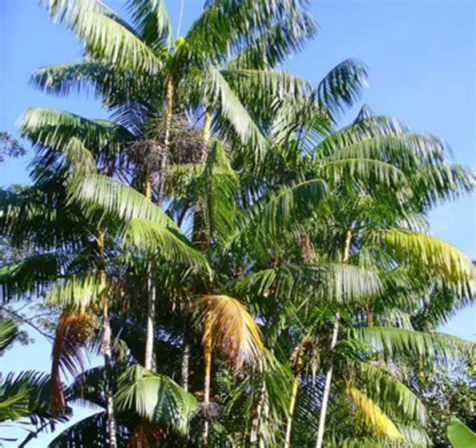
to support açaí palm adaptation and growth.
Strategic Significance
If successful, the pilot will make it possible to deliver farm-to-consumer açaí grown in the USA-eliminating the need for freezing, long-distance shipping, and chemical preservatives. Fresh, U.S.-grown açaí could provide unmatched "tree-to-bowl" quality in organic beverages, appealing to the health food and functional beverage sectors.
Domestic cultivation would also:
Reduce transportation emissions
Strengthen local agriculture partnerships
Diversify SEQP's high-value crop portfolio
Showcase BioActivium's ability to convert nutrient-poor land into fertile farmland
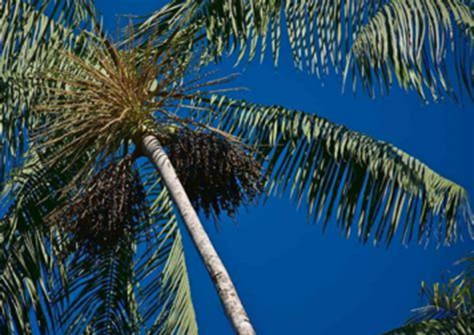
these conditions in Florida for the first time at scale.
Açaí Cultivation Pilot Initiative in Florida
Clusters of açaí berries harvested from palm fronds. The açaí palm is native to the Amazon, and its dark purple fruits are highly perishable, spoiling within 24 hours of harvest.
Background: Euterpe oleracea, commonly known as açaí, is a palm tree originating in the Amazon rainforest. Its berry has exploded in popularity as a superfood in the American market, found in everything from smoothies and bowls to supplements and skincare. The United States is now one of the dominant consumers of açaí, with import volumes rising and açaí-based products flooding shelves to meet demand. However, fresh açaí fruit is almost never available outside its native region because it degrades rapidly after picking. Within a day of harvest, açaí berries lose nutrients and turn rancid, so producers must flash-freeze, puree, or dry the pulp immediately for export. This means American consumers typically get açaí in frozen or powder form, as truly fresh fruit "is almost impossible to obtain" outside Brazil. The need for freezing and preservatives not only adds cost and complexity to the supply chain but can also diminish the fruit's natural qualities.
Pilot Program Overview: Seeing an opportunity to deliver fresher, higher-quality açaí to U.S. consumers, Santana Equestrian Private Financial (SEQP) is launching a pilot cultivation program in Canal Point, Florida. SEQP's Soil Division will partner with local farmers to adapt the Brazilian açaí palm to Florida's environment, with the goal of establishing a home-grown, fully organic açaí supply. A key to this initiative is SEQP's proprietary soil amendment, BioActivium, which will be used to enrich and prepare the local soil for the tropical palm. BioActivium (branded as Activium in SEQP's product line) is an organic fertilizer and soil enhancer developed from equine manure composting, designed to improve soil fertility and carbon content. By rehabilitating and fortifying the Florida soil with BioActivium, the company aims to recreate something closer to the rich, nutrient-dense conditions of the Amazon floodplains in which açaí palms thrive. In a similar case, agricultural trials in Hawaii found that matching the Amazon's soil nutrients via amendments was crucial to successfully fruiting açaí palms outside their native habitat. Leveraging these insights, SEQP's pilot will test whether Florida's humid, subtropical climate - combined with BioActivium-enhanced soil - can support healthy growth and fruiting of açaí palms on U.S. soil.
Strategic Significance: If successful, this pilot could pave the way for farm-to-table açaí products that are grown in the USA rather than imported. Locally cultivated açaí would allow SEQP to deliver the fruit straight from Florida farms to consumers, eliminating the need for freezing, long-distance transport, and added preservatives that current imported açaí products require. Experts note that because açaí berries have such a brief shelf life, growing them closer to their market ensures consumers get a much fresher and higher-quality product. The ability to offer "tree-to-bowl" freshness in organic açaí
beverages could become a unique selling point in the health food and functional beverage industry. Additionally, domestic cultivation cuts down on transportation emissions and aligns with the broader trend of local, sustainable sourcing. SEQP's use of BioActivium in this project also showcases the synergy between its soil-rehabilitation technology and new crop opportunities: by turning nutrient-poor land into fertile farms, the company can diversify into high-value crops like açaí. It should be emphasized that this Florida açaí initiative remains a strategic pilot program at an early stage. SEQP is focusing on research and development of cultivation techniques and will not be issuing any revenue or volume forecasts at this time. The açaí pilot has been included as a strategic note in the company's latest OTC Markets disclosure and is being announced via a standalone press release to inform stakeholders of the venture. The company believes this initiative, while exploratory, aligns with its mission of sustainable agriculture and innovation. By potentially becoming one of the first to produce organic U.S.-grown açaí, SEQP could eventually help secure a domestic supply of this sought-after superfruit - delivering fresher, preservative free açaí to American consumers and adding a novel, eco-friendly dimension to its agricultural portfolio.
Sources: Santana Equestrian PR/Disclosure; Tropical Açaí (industry insights); Specialty Produce (açaí fruit facts); Baía Food Co. (açaí market); Tropical Açaí blog (US market data).
Status
This initiative remains an early-stage strategic pilot with no revenue or volume forecasts at this time. It is included as a strategic note in SEQP's latest OTC Markets disclosure and is being announced as part of the Company's sustainability and innovation roadmap.
Forward-Looking Statements
This release contains forward-looking statements subject to risks, uncertainties, and assumptions. Actual results may differ materially due to environmental conditions, regulatory factors, and operational challenges.
Contact:
Paulo Santana
santanaprivatefinacial@gmail.com
561- 308-8206
Website www.bioactivium.com
SOURCE: Santana Equestrian Private Financial
View the original press release on ACCESS Newswire