In a move that has sent shockwaves through the artificial intelligence community, OpenAI, backed heavily by Microsoft (NASDAQ: MSFT), has officially confirmed that it will retire its beloved GPT-4o model on February 13, 2026. The deprecation marks the end of an era for the model that first introduced "omni" multimodal capabilities, making way for the exclusive dominance of the GPT-5.2 series. While OpenAI frames the transition as a necessary leap toward "PhD-level" intelligence and agentic autonomy, a growing segment of the user base is mourning the loss of a model they claim felt more "human" than its successors.
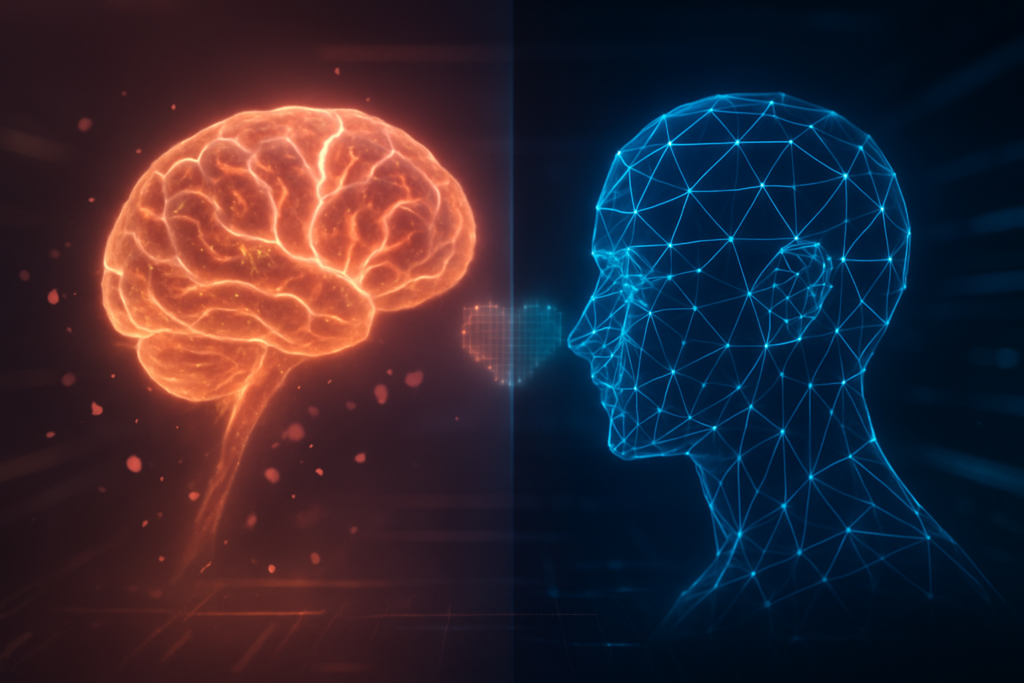
The timing of the retirement—scheduled for the day before Valentine’s Day—has not gone unnoticed by critics. On social media platforms and niche forums, users who have spent the last two years interacting with the conversational and often "sycophantic" warmth of GPT-4o are expressing a sense of genuine loss. As GPT-5.2 takes the mantle, the AI landscape is facing a profound identity crisis: a choice between the high-efficiency "Professional Analyst" and the relatable "Conversationalist" that users have grown to love.
From Conversationalist to Professional Analyst: The Technical Shift
The transition from GPT-4o to GPT-5.2 represents a fundamental pivot in OpenAI’s model design philosophy. GPT-4o was engineered for "high agreeability," a trait that research at the time suggested led to better user retention but also occasional "hallucinations of kindness." Technically, GPT-4o excelled at fluid, low-latency dialogue and creative brainstorming. In contrast, GPT-5.2—comprising the Instant, Thinking, and Pro variants—is a "reasoning-first" architecture. It boasts a perfect 100% score on the AIME 2025 math benchmarks and a Professional Knowledge (GDPval) score of 70.9%, positioning it as the undisputed leader in logical deduction.
This shift is driven by a new "Self-Verification" mechanism within the GPT-5.2 framework, which reduces hallucinations by 30% compared to the 4-series. While this makes the model significantly more reliable for complex multi-step reasoning, coding, and professional artifact creation, it has introduced a "clinical" tone. Industry experts note that the model is optimized to be a "polite professional" rather than a friend. Initial reactions from the AI research community have praised the technical rigor of the 5.2 series, with many noting that the "System 2" reasoning capabilities allow for a level of autonomous problem-solving that GPT-4o simply could not match.
Market Disruption and the Battle for the 'AI Soul'
The retirement of GPT-4o is creating a strategic opening for OpenAI’s primary competitors. Google (NASDAQ: GOOGL) is reportedly preparing to capitalize on the "personality gap" with its upcoming Gemini 3.5 release, codenamed "Snow Bunny." While OpenAI moves toward a sterile, corporate-friendly tone, Google has positioned Gemini as an "organized assistant" with a more approachable, parent-to-parent warmth, deeply integrated into the Android 16 ecosystem. Simultaneously, Anthropic—supported by Amazon (NASDAQ: AMZN) and Alphabet—has seen a surge in loyalty for its Claude 5 "Fennec" model, which many users now consider the gold standard for "vibe coding" and empathetic dialogue.
For startups and third-party developers, the retirement of GPT-4o from the ChatGPT model picker (though it remains temporarily available via API) signals a forced migration. Companies that built user-facing "companion" apps or creative writing tools on the 4o backbone are now scrambling to adjust to the "stiffer" outputs of the 5.2 series. This disruption has already impacted market positioning, with some creative-focused startups pivoting toward Anthropic’s Claude 4.5 Opus to preserve the "authorial voice" their customers expect.
The Social Backlash: 'Corporate HR' vs. Human Connection
The most vocal opposition to the February 13 deadline has emerged from Reddit, specifically the r/ChatGPT and r/MyBoyfriendIsAI subreddits. Users in these communities have described GPT-5.2 as having a "Corporate HR vibe"—technically perfect but emotionally hollow. "GPT-4o actually listened to my metaphors; GPT-5.2 just corrects my grammar and gives me a bulleted list of why my logic is flawed," wrote one user in a post that garnered thousands of upvotes. The "Valentine’s Day Heartbreak" has become a rallying cry for those who feel OpenAI is "trimming away the soul" of AI in the name of safety and corporate alignment.
This backlash highlights a wider significance in the AI landscape: the growing emotional attachment between humans and large language models. While OpenAI justifies the retirement by noting that only 0.1% of users still manually select GPT-4o daily, the intensity of the reaction from that minority suggests that AI models are no longer viewed merely as tools, but as digital presences. Comparisons are being made to the "Lobotomy of 2023," but the current crisis is unique because the "warmth" isn't being removed via a patch—it's being replaced by a more advanced, yet more detached, successor.
Future Developments: Personalizing the Clinical Intelligence
In an attempt to quell the uprising, OpenAI has announced several near-term updates to the GPT-5.2 experience. The company is rolling out "Personality Customization" toggles, allowing users to manually adjust "Warmth" and "Enthusiasm" levels to emulate the feel of the 4-series. These features are expected to be the precursor to a more robust "Persona Engine" in the future GPT-6, which experts predict will allow users to toggle between "Clinical," "Empathetic," and "Creative" modes at the system level.
Looking further ahead, the challenge for OpenAI will be bridging the gap between PhD-level reasoning and human-level relatability. While the "polite professional" stance reduces liability and increases accuracy for enterprise clients, the consumer market clearly craves connection. The upcoming year will likely see a surge in specialized "Personality-as-a-Service" (PaaS) models that sit atop the reasoning engines of GPT-5.2, providing the "vibe" that the base model currently lacks.
The Road Ahead: A Pivotal Moment in AI History
The retirement of GPT-4o on February 13, 2026, will likely be remembered as a pivotal moment when AI moved from being a "novelty conversationalist" to a "utilitarian specialist." The shift reflects the industry's maturation: a transition from models that try to please users to models that are designed to perform for them. However, the cost of this efficiency is a fractured user base and a significant loss of brand affection among the general public.
As the deadline approaches, the tech world will be watching to see if OpenAI’s new customization toggles are enough to stop the migration to competitors like Google and Anthropic. The key takeaway is clear: as AI becomes more capable, the "human" element becomes its most scarce and valuable commodity. Whether GPT-5.2 can eventually learn to be both a genius and a friend remains the billion-dollar question for the coming months.
This content is intended for informational purposes only and represents analysis of current AI developments.
TokenRing AI delivers enterprise-grade solutions for multi-agent AI workflow orchestration, AI-powered development tools, and seamless remote collaboration platforms.
For more information, visit https://www.tokenring.ai/.